Your fifties hold an odd tension. In most of what matters professionally you are at your peak: you read situations quickly, you know which problems are worth solving, and your judgment has been earned instead of borrowed. At the same time this is the decade where health decisions stop being theoretical, where parents need care, where retirement moves from an abstraction to a date. What you decide about your mind now sets the momentum for the thirty or forty years that follow, and the good news is how much of that momentum you can still choose.
What does mental longevity mean in your fifties?
It means converting decades of accumulated judgment into a plan for the decades ahead. Practically that means treating hearing, blood pressure, and sleep as urgent, protecting the friendships that will carry you through later transitions, and deliberately building the learning habit retirement will eventually demand.
Mental longevity is the lifelong capacity to think clearly, regulate your inner state, adapt to change, keep learning, maintain meaningful connections, and live intentionally. The fifties test that list in a specific way: the pressures now come from caregiving, from health, from work intensity peaking, and from a social world that narrows unless you actively hold it open.
What separates this decade from earlier ones is that both directions are clearly visible. People in their fifties can see relatives ageing well and relatives ageing badly, which makes the abstract concrete and the choices harder to postpone.
What is actually happening to your brain now?
Processing speed continues its gradual decline while accumulated knowledge, vocabulary, and the ability to read people keep improving. Research on abilities across the lifespan shows several peaking in midlife or later, which is why experienced people often outperform faster ones at real problems.
Work published in Psychological Science examined how different cognitive abilities change with age and found no single peak for the mind as a whole. Some capacities crest early, and others continue climbing for decades, which makes the popular story of steady decline from twenty five a poor description of what actually happens.
People often misread this trade in their own experience. A fifty five year old who takes longer to learn a new software system concludes their mind is going, while ignoring that they diagnosed a problem in a meeting that morning which three younger colleagues had missed entirely. Speed is visible and judgment is quiet, so the losses get noticed and the gains do not.
The practical translation matters for how you work. Fifties minds tend to be slower at unfamiliar rapid tasks and considerably better at judging what matters, spotting patterns, and avoiding mistakes they have already seen. Our guide to how brain aging really works covers the full trade.
Which health decisions matter most this decade?
Hearing, blood pressure, sleep quality, and metabolic health, treated as active priorities instead of items to check eventually. Each appears in the research on protecting thinking, each stays silent until it stops being silent, and each responds well to treatment when caught in this decade.
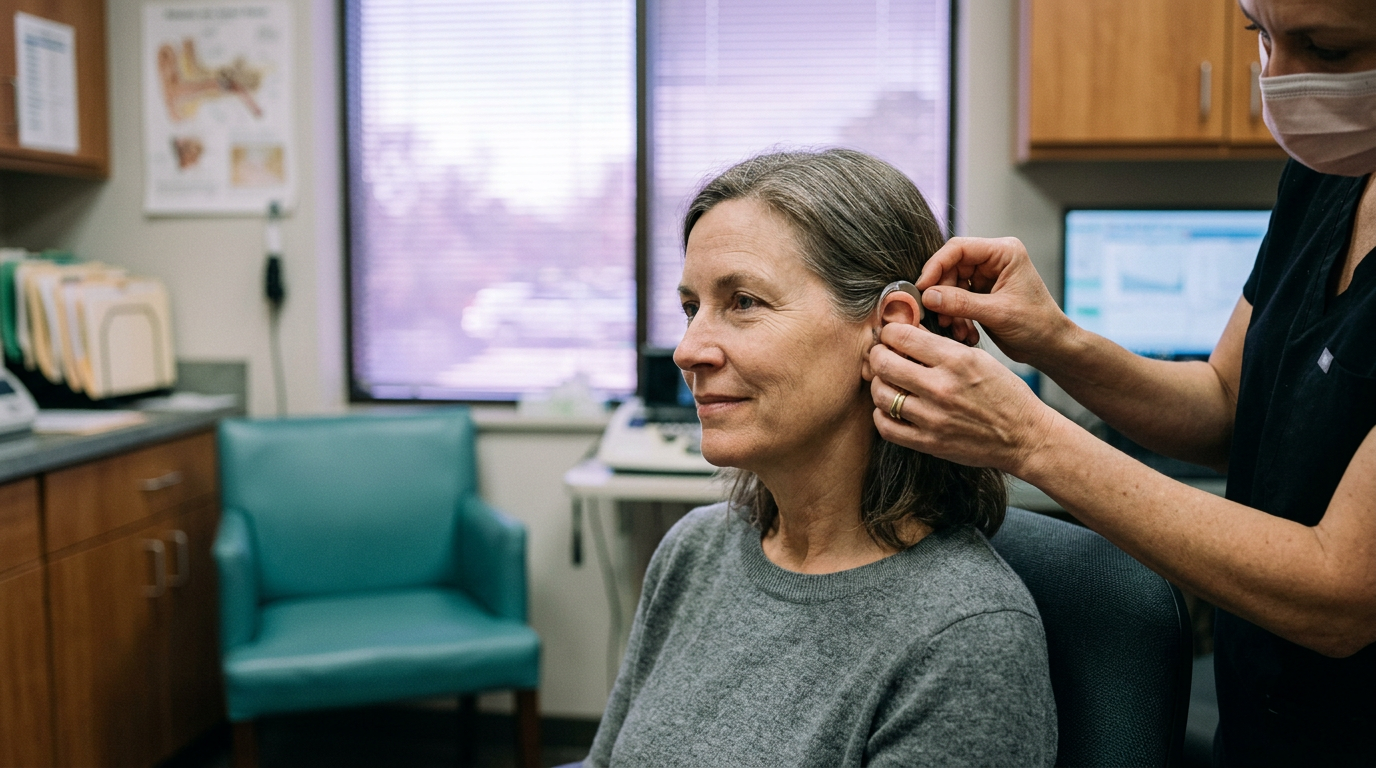
Hearing deserves first mention because it is the most commonly postponed. Harvard Health's report on hearing aids and cognitive decline describes a three year trial in older adults where treatment slowed decline among those at highest risk. The average person waits years between noticing difficulty and doing something about it, and those years cost conversation, which is cognitive exercise you cannot easily replace.
The World Health Organization names physical activity, blood pressure management, and social engagement among the actions that reduce risk of cognitive decline. None of those require a specialist to begin, and all of them work better started now than started later.
How do you protect your mind while caring for parents?
Accept that this season will compress everything, and protect the minimum: sleep where you can, movement in small pieces, and one or two relationships you keep honest contact with. Caregiving is a genuine stressor, and treating your own baseline as optional is what turns a hard season into a damaging one.
This is the decade when many people become responsible for someone else's decline while managing their own peak career demands. The stress is sustained, which is the kind that costs the most, and our guides to lowering cortisol and nervous system regulation cover keeping a system from staying permanently mobilized.
The practical version is unglamorous: a walk most days even when it feels like the wrong priority, a bedtime you defend, and one person who hears the truth about how it is going. Those three keep a caregiver functioning through a season that can otherwise run for years.
Ask for help earlier than feels necessary, and use whatever formal support exists. Caregivers who maintain some of their own life through the season come out of it far better than those who disappear into it entirely, and the difference shows up years later.
What should you build before retirement arrives?
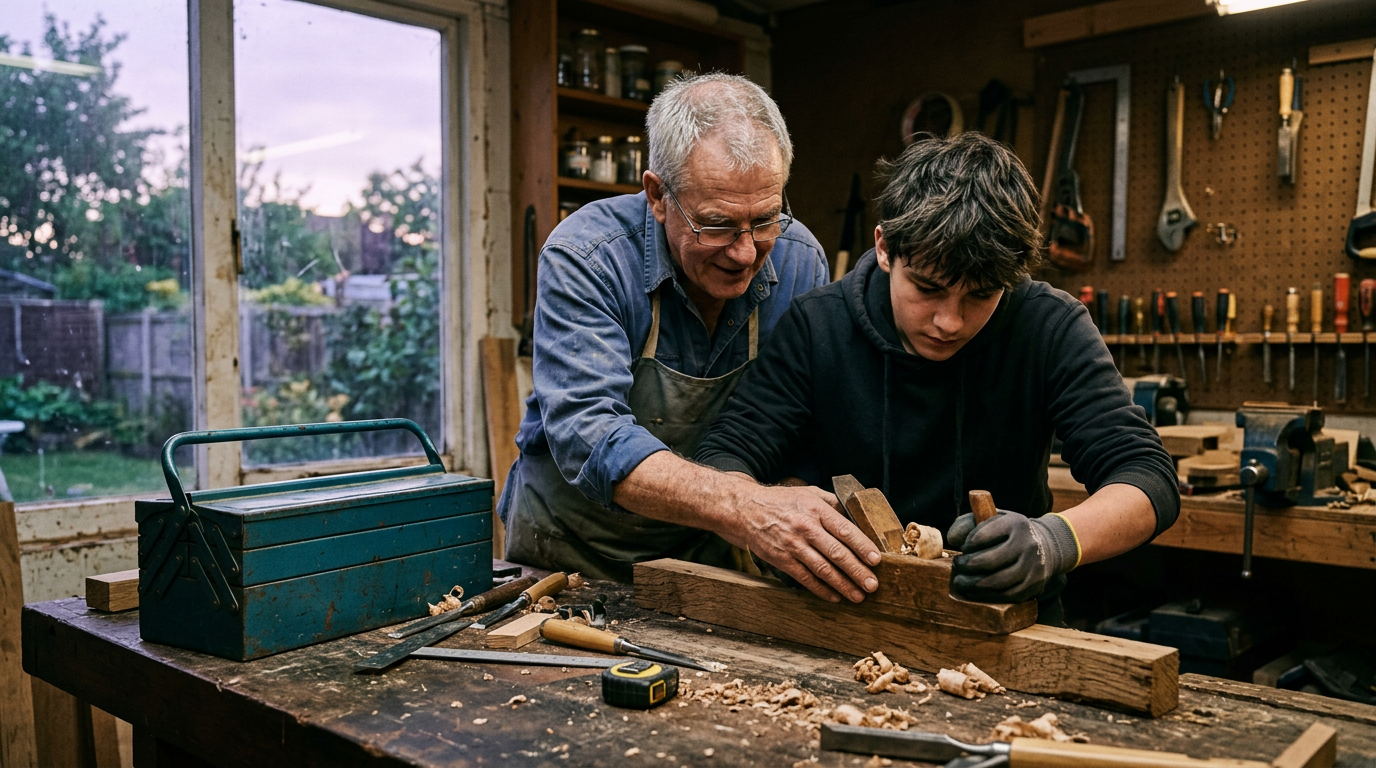
Interests with real depth, friendships outside work, and a reason to get up that does not depend on a job title. Retirement removes structure, purpose, and daily social contact at once, and the people who fare best are the ones who built replacements beforehand.
This is the most underrated piece of fifties planning. Financial preparation gets years of attention while the structural and social preparation gets almost none, and the second one determines how the years actually feel.
Ask what a Tuesday looks like five years after you stop working. The people who answer easily have already built something. The people who go quiet have a project worth starting now, while there is still a working structure around them to build it inside.
Purpose carries measurable weight here, as our guide to a sense of purpose covers, and so does connection. Work supplies a great deal of both invisibly, which is why its removal lands harder than people expect. Building a serious interest and a few genuine friendships now means walking into that transition with something already in place.
What still improves from here?
Vocabulary, expertise, emotional regulation, and the ability to read people all continue developing. Memory and new learning respond to training at every age, and adults in their fifties learn languages, instruments, and demanding physical skills routinely when they choose to.
The evidence for trainability is strong. Structured training produces durable gains in specific abilities in older adults, as the ACTIVE trial published in Journal of the American Geriatrics Society found, with benefits persisting for years. Memory technique also works at this age, as our guide to memory techniques covers.
Emotional regulation is the quiet gain of this decade and rarely gets counted. Most people handle criticism, conflict, and uncertainty better at fifty five than they did at thirty five, having accumulated enough experience to know which storms pass. That capacity carries real weight in a life, and it keeps developing.
What changes is the approach. Learning in your fifties rewards more repetition, more spacing, and more patience, and it punishes the assumption that difficulty means incapacity. Difficulty is what learning feels like at every age.
Where do you start this decade?
Book the hearing test and the blood pressure check. Choose one thing to learn that has nothing to do with work. Put two friendships on a recurring schedule. Those three actions cover the medical, the cognitive, and the social pressures of this decade.
If you want the broader map first, our guides to what mental longevity means and cognitive reserve explain what you are building and why the accumulation matters so much from here.
The transitions in this decade are also easier alongside people going through them. Members inside HumanOS, our community for building a durable mind, work through caregiving, career shifts, and retirement planning together, which is considerably better than managing all of it privately.
Is it too late to start at fifty five?
No. The protective habits work at every age, and you likely have thirty or more years for them to compound. Training studies in older adults show real durable gains, and hearing treatment and blood pressure control help whenever they begin.
Why does my memory feel worse than it did?
Sleep, stress, divided attention, and menopause related changes account for most of what people notice in this decade, and all are addressable. Consistent changes that affect daily function or that others notice deserve a medical evaluation, which our guide to improving memory covers.
Should I be worried about dementia risk now?
Concern is reasonable and this is the decade to act on it usefully. The modifiable factors, activity, hearing, blood pressure, social connection, and learning, all respond to action taken now, as our guide to preventing cognitive decline explains.
How do I keep learning when my energy is lower?
Use shorter sessions and better timing. Twenty minutes in your best hours beats an hour when you are depleted, and spacing practice across days suits an older brain particularly well. Protect sleep first, since learning on a poor night wastes the effort.