Two people can carry the same amount of age related change in their brains and live completely different mental lives. One shows the textbook signs. The other keeps working, joking, and remembering names, with the damage only discovered much later. The difference has a name: cognitive reserve, the capacity your brain builds across a lifetime to work around damage and keep functioning. It may be the single most hopeful idea in brain science, because you are building it, or declining to, in ordinary weeks like this one. This guide explains what cognitive reserve is, where the idea came from, what genuinely builds it, and how to make deposits at any age.
What is cognitive reserve?
Cognitive reserve is your brain's accumulated ability to improvise, reroute, and solve problems through alternate pathways when its usual ones fail or fade. Built through education, work, languages, music, and rich engagement, it explains why equal amounts of brain change can produce unequal amounts of visible decline.
Harvard Health Publishing describes it as the brain's ability to "improvise and find alternate ways of getting a job done," and the phrase rewards a second read. Reserve is active. It describes a brain that has learned many routes to every destination, so a closed road becomes a longer way home, and the trip still completes.
A useful mental model is a city's road network. A town with one bridge fails completely when that bridge closes. A city with forty crossings barely notices a closure at rush hour. Every skill you have seriously learned, every language you can think in, every complex problem your work has made routine, added crossings. Reserve is the count of your crossings.
The everyday version of the same discovery happens in clinics weekly. Two patients arrive with similar scans. One is navigating appointments alone, managing medications, and telling the resident precise histories. The other needed help finding the room. Scans predicted much less of that difference than anyone expected, and reserve research grew from insisting that the difference deserved an explanation.
Where did the idea come from?
From autopsies that refused to match the biographies. Starting in the late 1980s, researchers kept finding people whose brains showed advanced Alzheimer's related changes at death, yet who had shown few or no symptoms in life. Something had been absorbing the damage, and the search for that something became reserve research.
The pattern appeared in one of the field's most famous long term projects, an American study of hundreds of Catholic nuns who donated their brains to science. Some sisters whose brains carried heavy pathology had aced cognitive tests into their nineties, and their early writing, decades before, predicted late life resilience with unsettling accuracy. Researchers such as Yaakov Stern at Columbia then spent decades giving the observation a framework: measurable, buildable protection that stands between brain change and lived experience.
Honesty requires naming the evidence type here. Much of reserve research is observational, tracking who declines and who resists across decades, so it establishes strong association more often than clean causation. The association keeps replicating across countries and cohorts, and the framework has earned its place in mainstream aging science, which is exactly the level of confidence this article will keep.
How do reserve, brain maintenance, and compensation differ?
Brain reserve is hardware: the neurons and connections you physically have. Cognitive reserve is software: how flexibly and efficiently you use them. Brain maintenance is upkeep: how well you protect the hardware over time through sleep, vascular health, and the rest. A long capable mental life draws on all three.
The trio matters because each responds to different work. Maintenance runs on the health basics: blood pressure, movement, sleep, hearing, and the risk factor list covered in the 2024 Lancet Commission summary. Reserve grows through challenge: learning, complexity, and engagement that force the brain to build new routes. Compensation is what you watch reserve do in real time, an older brain recruiting extra regions to match performance a younger brain manages with fewer. Think of it as maintenance keeping the roads paved, reserve adding new roads, and compensation rerouting traffic on a hard day.
Reserve research also reframes what counts as an intellectual life. The framework respects the professor, and it equally respects the seamstress managing forty variables per garment, the dispatcher rerouting a city at rush hour, the grandmother running a household economy in her third language. Complexity lives in lives, and brains bank whatever complexity they are actually asked to handle, whoever issues the request.
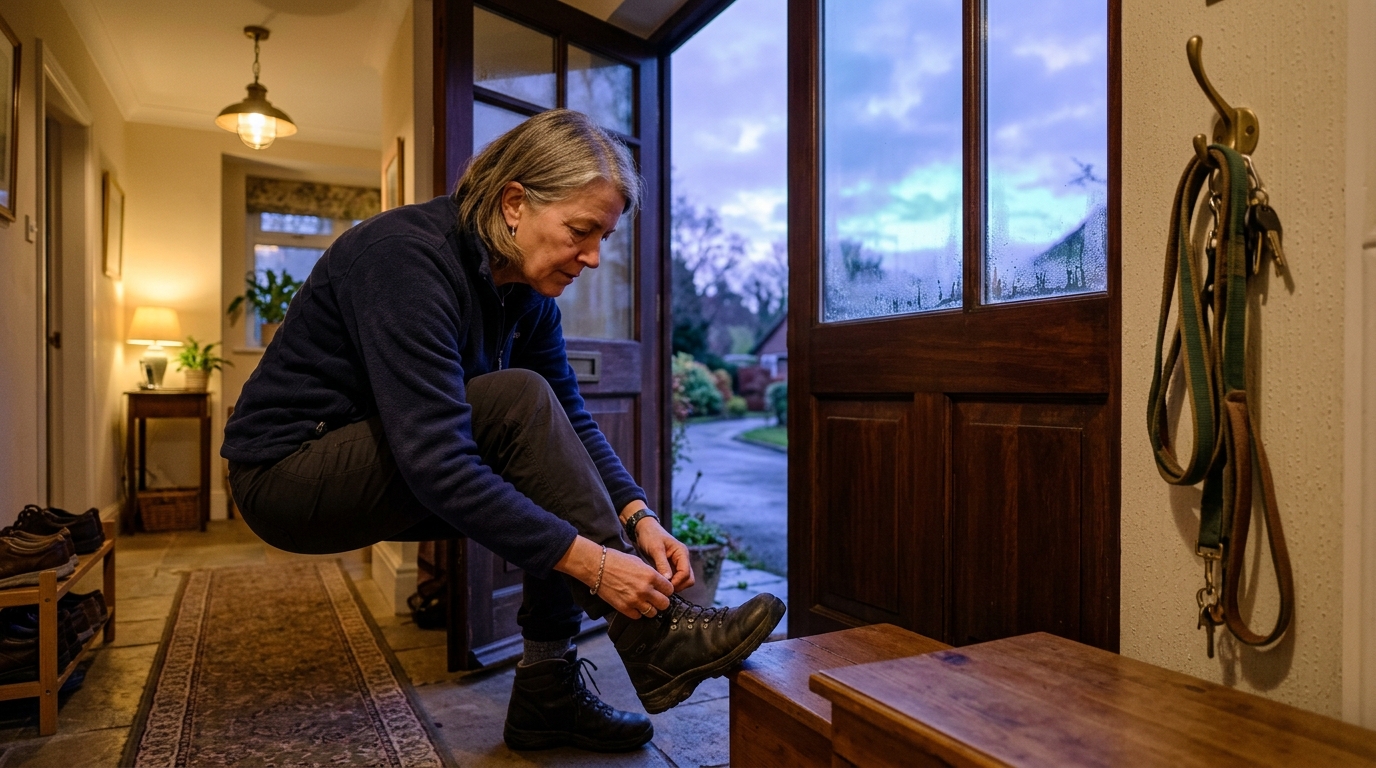
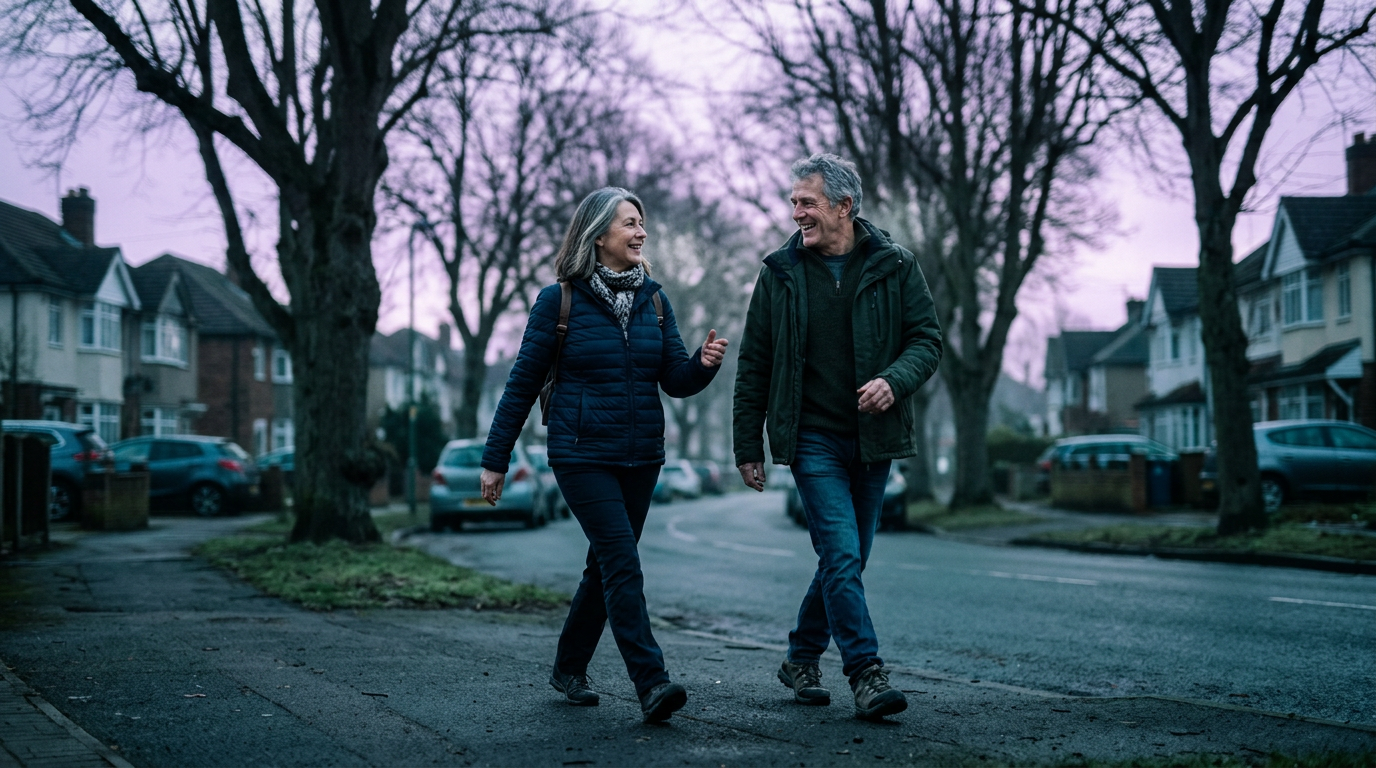
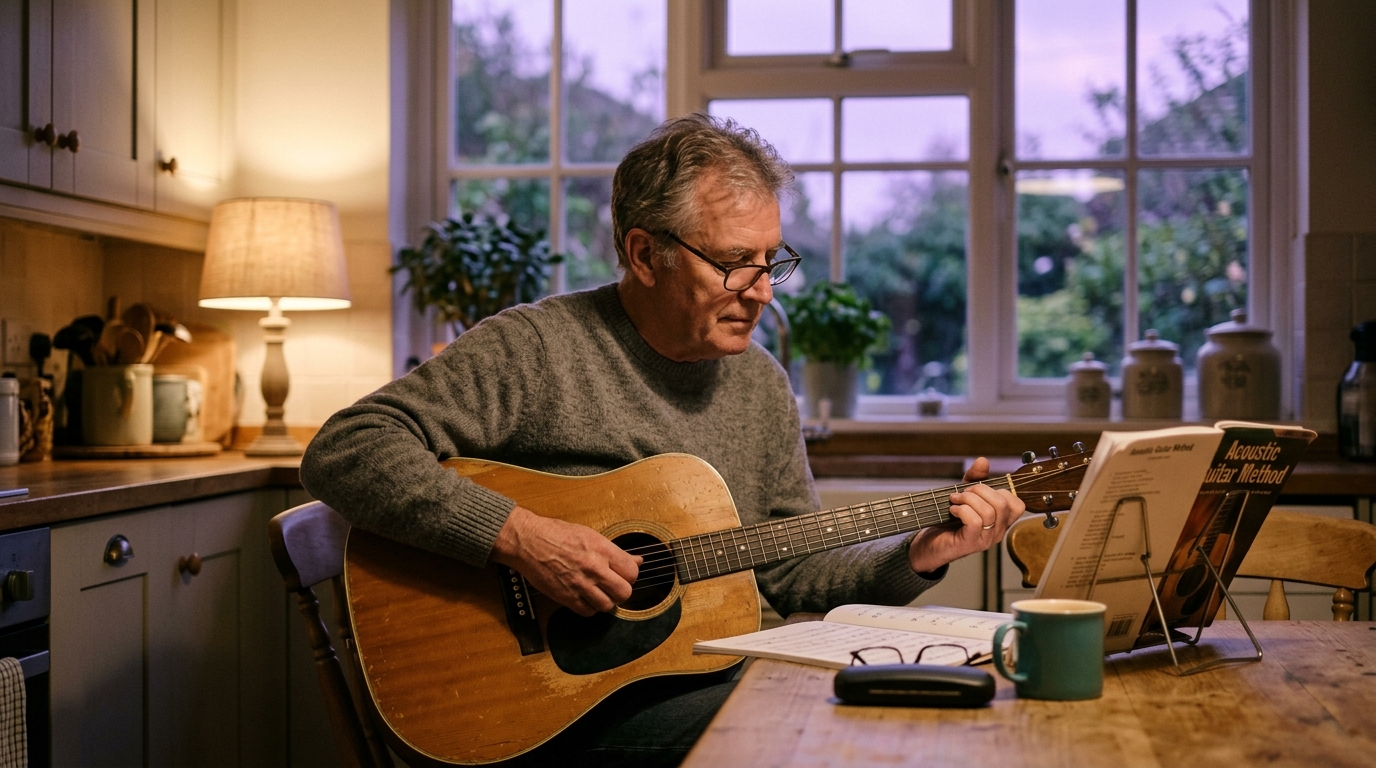
One ordinary week can serve all three systems. Tuesday's guitar practice builds reserve. Thursday's brisk walk and tonight's protected sleep maintain the hardware. Friday's presentation, delivered tired and rerouted through preparation and habit, is compensation visibly earning its keep. Separate jobs, one life, and the systems compound each other the longer the week repeats.
What genuinely builds cognitive reserve?
Education, cognitively demanding work, speaking multiple languages, playing instruments, complex hobbies, and socially rich engagement all associate with higher reserve. The shared ingredient is sustained, escalating challenge with meaning attached. Mental longevity is the lifelong capacity to think clearly, regulate your inner state, adapt to change, keep learning, maintain meaningful connections, and live intentionally. Reserve is that capacity's savings account.
Formal education shows the strongest classical association, and it is far from the only deposit. Occupational complexity counts: decades of work that demands judgment, novel problem solving, and responsibility for people or systems keeps the challenge dial high. Bilingualism asks the brain to manage two competing systems every waking hour. Music combines fine motor control, pattern, memory, and emotion. Rich social lives require the constant modeling of other minds, which may be the most underrated cognitive exercise there is, and the survival evidence around connection, like the Holt-Lunstad meta analysis across 148 studies, suggests relationships protect life itself, with the brain along for the ride.
Notice what the list shares. Every entry is difficult enough to require adaptation, sustained for years, and woven into the fabric of a real life. Reserve appears to be built the way fitness is: through progressive challenge you keep showing up for, with meaning supplying the showing up.
What does reserve look like in an ordinary life?
Reserve looks like a retired teacher whose brain, decades of classrooms deep, quietly reroutes around early changes while she plans trips and argues about novels. It looks like an engineer having a sleepless week whose thinking recruits extra effort and still arrives. Protection that shows up as normal days is the entire product.
The compensation half is visible in brain imaging studies: older adults matching younger performance while activating additional regions, the neural picture of a network working harder to deliver the same result. In lived terms it is the extra beat before the name arrives, the list where none was needed at forty, the strategy quietly replacing raw speed. Those adjustments are reserve succeeding, and a life full of them can remain a fully capable life, which reframes a great deal of midlife worry as machinery doing its job.
The languages finding deserves one extra sentence, because it democratizes the whole field: managing two languages appears protective whether the second language arrived in a lecture hall or across a border crossing, in childhood or at a kitchen table. Brains bank the work either way, which quietly honors every immigrant grandmother the research literature ever measured.
Can you still build reserve in midlife and beyond?
Yes. The account stays open at every age. In the ACTIVE trial, adults averaging seventy four took brief cognitive training and still showed measurable advantages ten years later, with 70.7% of the processing speed group at or above baseline against 48.8% of controls. Later starts build smaller balances than earlier ones, and they build.
The ACTIVE trial is the clean randomized anchor, and the honest caveat travels with it: gains concentrated on trained skills. That is precisely why the richer prescription is a genuinely engaging life. Late life language classes, instruments picked up at sixty, volunteering that demands real responsibility, and new fields entered after retirement all supply the progressive challenge reserve seems to require. The observational evidence adds a practical nuance: activities begun earlier and sustained longer associate with more protection, which converts to advice with unusual grace. The best time to start was decades ago. The second best time survives every birthday.
Retirement deserves special planning here, because it removes the largest reserve engine most adults have without asking what replaces it. Decades of occupational challenge end in a single Friday. The people who thrive plan the replacement challenge before the send off: the board role, the course, the workshop, the grandchild's language learned properly. Retire from the job, never from difficulty.
How would you ever notice reserve working?
Mostly by nothing happening. Reserve works silently, delaying the point where brain change becomes visible impairment, so its success looks like an ordinary capable life continuing. Researchers see it in populations: higher reserve groups show later symptom onset for the same underlying disease, sometimes followed by faster decline once symptoms finally surface.
That last finding deserves plain treatment, because this blog does honesty first. In several studies, high reserve individuals decline more steeply after symptoms appear, likely because by then the underlying disease has advanced further while reserve masked it. Some people hear that and wonder whether the masking is worth it. Consider what it actually buys: years, sometimes many, of clear thinking, independence, working, and knowing your people, subtracted from the impaired end of life and added to the capable middle. Reserve compresses the hard chapter. Buying years of yourself is the entire point, and there is no version of this trade a person regrets.
A season also has a shape. Weeks one and two are honeymoon and stumble: novelty carries you, then difficulty arrives. Weeks three through six are the quiet middle where reserve is actually built, showing up when progress feels invisible. From week seven the skill starts giving back small competencies you can feel, and by week twelve you decide what deepens, what rotates out, and what has earned a permanent place. Knowing the shape in advance is half the defense against quitting during the honest middle.
What does a reserve building season look like?
Pick one genuinely new skill and give it two sessions a week. Keep one social commitment that requires real conversation. Let your work stretch you somewhere it currently does not. Protect the maintenance basics of sleep, movement, and health checks. Run that for a season, then let the skill get harder.
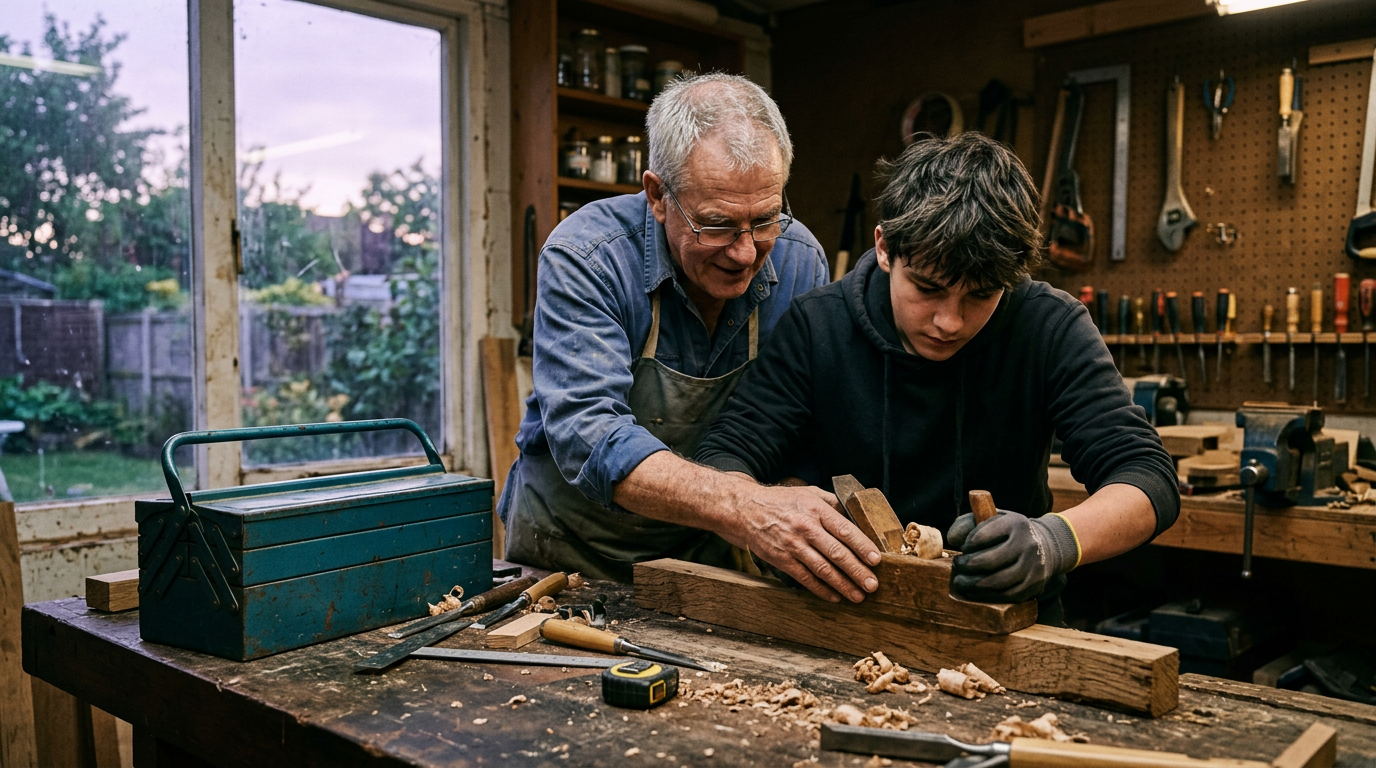
Concretely, a season might hold: a language course with actual speaking, an instrument with actual practice, a build project with actual failure in it, or a volunteer role with actual stakes. Two sessions weekly, forty five minutes each, difficult enough to feel. One standing dinner, call, or walk where the conversation goes somewhere. One stretch assignment at work, accepted on purpose. And the quiet foundation underneath: consistent sleep, movement most days, hearing and blood pressure checked, because reserve builds fastest on maintained hardware. None of it requires talent. All of it requires Tuesdays.
The meaning ingredient deserves its own sentence. Challenge without meaning gets abandoned by February, while challenge attached to a trip you will take, music you love, people you serve, or curiosity you have carried for years gets sustained for the decades reserve actually requires.
Two practical warnings complete the honest picture. First, reserve research describes decades, so nothing here supports panic about a scattered month, and nothing here rewards a heroic January that ends by March. Second, difficulty alone is a poor compass: frustration without progress teaches quitting, while challenge tuned slightly above your current level, the kind a good teacher or a well built course maintains, is the setting where routes actually get added. Aim for stretch with traction.
How does reserve fit the six capabilities?
Reserve is mostly built through Adaptability, exercised through Clarity and Connection, and maintained through Restoration and Regulation. Agency schedules all of it. In the Healing Waves framework, reserve is what those six capabilities quietly accumulate when you practice them for years, the compound interest on an intentional life.
The mapping is practical. Every genuinely new skill your Adaptability takes on adds routes. Every focused block your Clarity holds, and every conversation your Connection deepens, exercises the network you already own. Every protected night of sleep and settled stress response maintains the hardware underneath, which is where Restoration and Regulation earn their place in a reserve story. And Agency, the weekly choosing, decides whether any of it happens for the decades reserve requires. Build the capabilities and the reserve arrives as a byproduct, which is the most sustainable way anything gets built.
And if you are reading this on behalf of a parent in their seventies, the advice bends but holds. Late deposits are real, the strongest gifts at that age are usually social and structural: the standing weekly call, the class attended together, the grandchild who needs a language partner, the responsibility that keeps mattering. Purpose carries challenge into late life more reliably than any workbook.
What does reserve science say to parents and to midlife?
To parents: education, music, languages, and rich conversation are gifts with a fifty year delivery window, quietly stocking a child's account for storms half a century away. To midlife readers: these are prime deposit decades, exactly when careers peak in complexity and calendars argue hardest against new learning.
The parenting angle deserves gentleness, because reserve is an argument for richness, never for pressure. A childhood full of reading, instruments attempted, second languages heard at dinner, and questions taken seriously builds early routes without a single flashcard drill. And the midlife angle deserves honesty: the same decades when deposits matter most are the decades when the sandwich generation has the least slack. That is precisely why the practices in this guide are sized in Tuesdays, and why one sustained hobby, one language, or one stretch role, kept alive through the crowded years, does more than a heroic sabbatical ever will.
What are reserve's honest limits?
Reserve delays and softens the expression of brain disease. The disease process itself can still run underneath, and no amount of education or engagement confers immunity. Reserve also stacks with, and never replaces, the medical basics: blood pressure, hearing, sleep, mood, and the clinician conversations that catch treatable causes early.
Holding both truths keeps expectations honest and effort worthwhile. A person can build reserve for fifty years and still meet dementia, with the meeting delayed and the capable years extended, which mattered enormously and prevented nothing. Another person can neglect every factor and stay sharp to ninety five, because population odds are odds. What reserve changes is the distribution your life draws from, and the draw stays partly luck. Build anyway. The same activities that build reserve make the present decade clearer, richer, and more connected, so the investment pays even in the luckiest timeline where you never need the protection.
Held together, the picture is unusually fair for health science: the same season of learning, people, and honest challenge pays out three times, as a sharper present, a better protected future, and a life that was simply more interesting to live. Few investments in any domain compound along all three at once.
If reserve science leaves you a little worried about lost years, let the worry buy exactly one thing: a single scheduled deposit this week. Worry rehearses the problem, and deposits change the account. Book the class, message the friend, open the case the instrument has been sleeping in. The account opens from wherever you are standing, and this week counts.
Frequently asked questions
Is cognitive reserve the same as brain reserve?
They are siblings. Brain reserve refers to physical capacity, roughly the hardware of neurons and connections, while cognitive reserve refers to how flexibly and efficiently that hardware gets used, the software. A person can be strong in one and weaker in the other, and both respond to how life is lived.
Does low education decide your reserve for life?
Education is one strong early deposit among many, and the account accepts contributions from every later decade: demanding work, languages, music, complex hobbies, deep relationships, and late life learning all count. Plenty of reserve research participants built their protection well after any classroom closed behind them.
Which single activity builds the most reserve?
Research declines to crown one, and the shared ingredients are clear: sustained challenge, escalating difficulty, and personal meaning. The best activity is the demanding one you will still be doing in three years, which makes it a question about your loves as much as your neurons.
Does cognitive reserve prevent dementia?
Reserve delays the point where disease becomes disabling and can compress the impaired years, while the disease process may still run underneath. Prevention language belongs to the risk factor research, and even there the honest word is reduction. Reserve buys time and function, and those purchases are enormous.
Is it too late to start at seventy?
The ACTIVE participants averaged seventy four when brief training left traces measurable a decade later. Start the language, the instrument, the class, or the friendship this season. The deposits are smaller than they would have been at forty, and they land in an account you are actively drawing from, which arguably makes them worth more.
Does ordinary reading build reserve?
Reading that stretches you does: unfamiliar subjects, long arguments you must hold in mind, fiction that asks real inference, followed by conversations about what you read. Comfortable rereading soothes more than it builds, so let some of your shelf make you work.
Reserve is built in ordinary weeks, and it is easier to keep the challenge in your week when you are surrounded by people choosing the same thing. That is what our community is for: people practicing mental longevity together, comparing notes on what they are learning, dropping, and returning to. When you are ready, join us in the HumanOS Community. Bring the skill you have been meaning to start.