By your sixties the compounding has done most of its visible work. The friendships you maintained are there or they are thin. The learning habit is running or it stopped years ago. Your hearing has been treated or it has been quietly tolerated. This decade rewards what you kept alive, which sounds like a verdict and is actually the opposite, because the research keeps showing that starting now still changes the years ahead. Sixty is early in a life that increasingly runs past ninety, and almost every protective factor still works when you begin here.
What does mental longevity mean in your sixties?
It means protecting function and continuing to build, with particular attention to the transitions this decade brings. Retirement, changing health, and a narrowing social world all arrive around now, and each one removes something a mind depends on unless you deliberately replace it.
Mental longevity is the lifelong capacity to think clearly, regulate your inner state, adapt to change, keep learning, maintain meaningful connections, and live intentionally. In your sixties the threats to that list become structural instead of merely competitive. Work no longer supplies daily purpose and contact. Friends move, retire, and sometimes die. The demand that kept your mind stretched has to be chosen now, since nothing external supplies it.
That is the decade's central task, and people who understand it early do noticeably better than those who discover it eighteen months into retirement.
What actually declines and what does not?
Processing speed and the ease of learning entirely unfamiliar material both slow. Vocabulary, accumulated knowledge, emotional regulation, and judgment hold up well and often keep improving. Most people notice the losses and overlook the gains, which distorts how they see themselves.
Research published in Psychological Science found different cognitive abilities peaking at very different ages, with several continuing to rise into later life. The idea of a single downhill slope from young adulthood misdescribes how minds actually change.
The distortion has consequences. Believing your mind is finished tends to produce withdrawal from difficulty, and withdrawal from difficulty produces exactly the decline that was feared. Expectation quietly becomes method here, which is why the research on beliefs about ageing keeps finding they predict outcomes.
What matters practically is that slower and less capable are different claims. A sixty five year old often takes longer with unfamiliar material and understands its significance faster once learned, which is why experience keeps its value in almost every field, as our guide to how brain aging really works covers.
How do you replace what retirement removes?
Deliberately rebuild the three things work supplied: structure, purpose, and daily contact with people. A weekly rhythm you choose, a project or role that matters to someone, and regular company are what keep the years after work engaging instead of gradually flattening.
The order of operations matters. Retiring first and figuring out the rest later is the common approach and the harder one, since the structure disappears on a Friday and nothing arrives to replace it on the Monday. Building the replacement while you are still working means walking into the transition with a Tuesday that already has a shape.
Retirement research consistently finds the transition going best for people who retire toward something. A part time role, volunteering, a serious craft, grandchildren with an actual schedule, a community organization that needs running.
Purpose is the piece with the most evidence behind it, and our guide to a sense of purpose covers its links to health and longevity. Structure matters nearly as much, since unstructured days drift and drifting days offer a mind very little.
What protects thinking most in this decade?
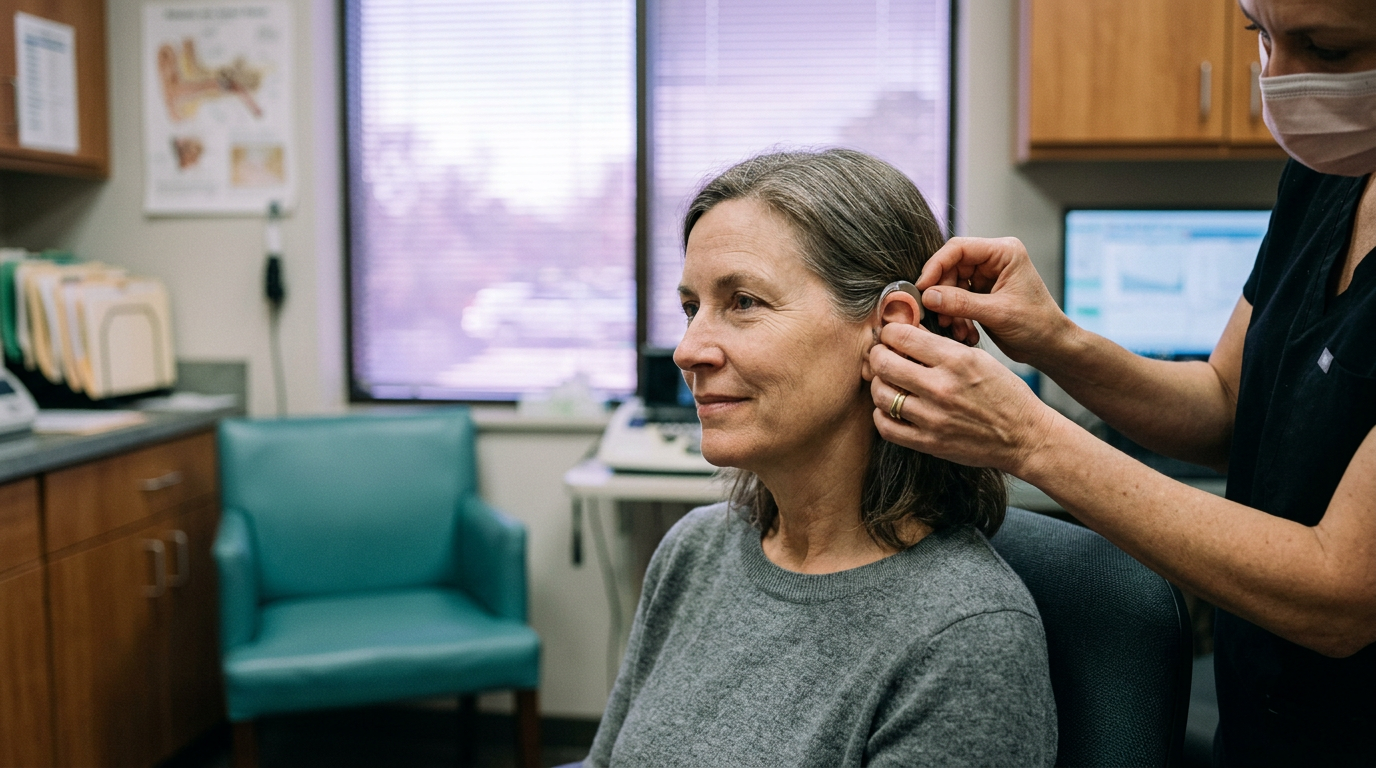
Hearing treatment first, then physical activity, blood pressure control, genuine social engagement, and continued learning. All five appear repeatedly in the research on reducing the risk of cognitive decline, and every one of them still produces benefit when you start it from a standing position in your sixties.
Hearing deserves the top spot for how commonly it goes untreated. Harvard Health's report on hearing aids and cognitive decline describes a three year trial in adults aged seventy to eighty four where treatment slowed decline among those at highest risk. Untreated hearing loss also removes people from conversation, which costs them the most accessible cognitive exercise available.
The World Health Organization lists being physically active among the actions that reduce risk, alongside social engagement and managing blood pressure. Brisk walking most days remains the highest value habit on the list.
Can you still build new capacity at this age?
Yes, and the evidence is direct. Structured cognitive training in older adults produces durable gains, and adults in their sixties and beyond learn languages, instruments, and demanding physical skills routinely. Progress needs more repetition and more patience, and it arrives.
The ACTIVE trial published in Journal of the American Geriatrics Society followed older adults after cognitive training and found improvements in trained abilities persisting for years. Memory technique works at this age too, as our guide to memory techniques covers.
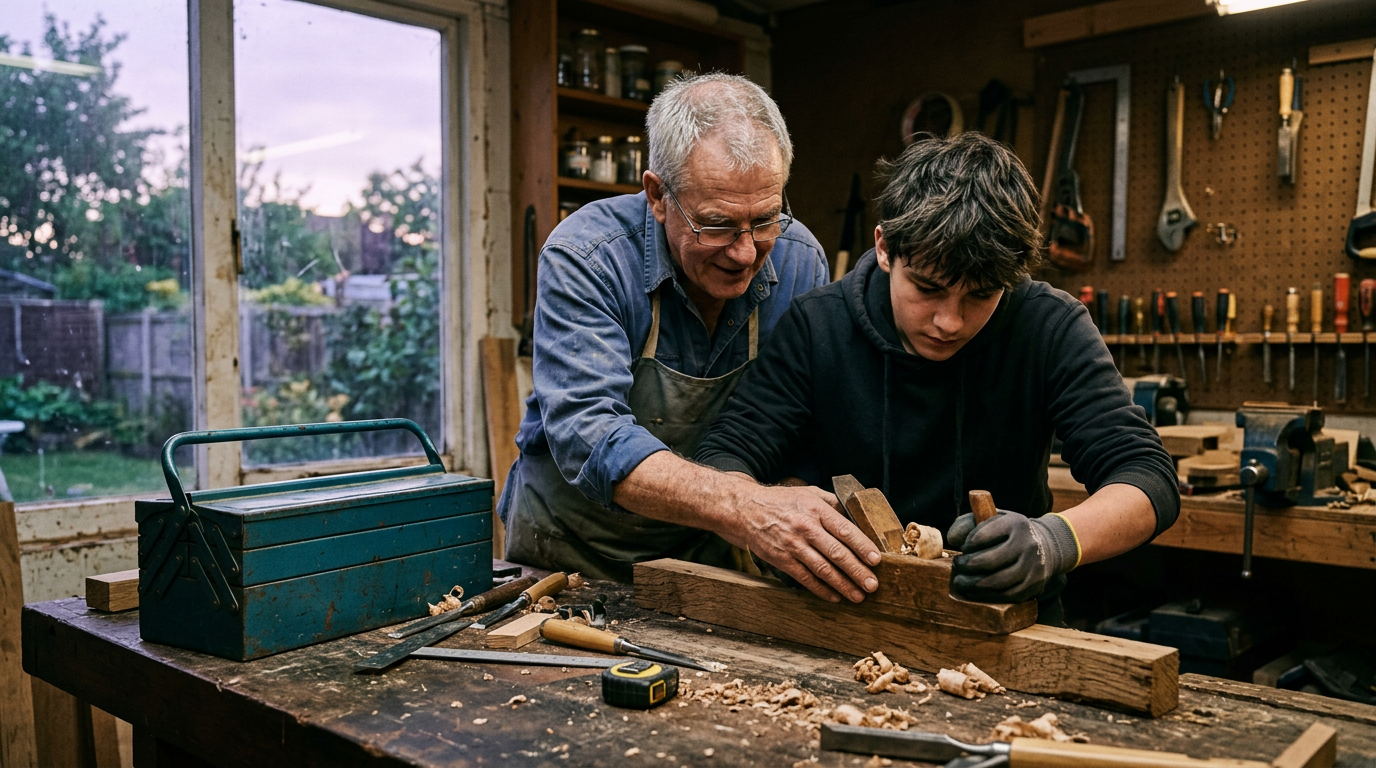
Choose something with a genuine curve and some social contact built in. A choir, a language class, a woodworking group, a bridge club that actually plays seriously. The learning does the cognitive work, and the room full of people does the rest, which is a considerably better return than the same hour spent alone with an app.
What changes is method. Shorter sessions, more spacing, and more repetition suit an older brain, and the belief you bring matters more than most people realize. Harvard Health's guide to keeping your mind sharp at any age names confidence in your own memory as one of its six steps, since people who assume decline stop using the strategies that would have helped.
How do you keep a social world from shrinking?
Treat it as active work, since the structures that used to supply people have gone. Join things with a recurring schedule, keep contact with younger people, and accept invitations you would rather decline. Connection at this age needs building where it once simply happened.
The evidence on this is serious. The analysis published in PLoS Medicine found strong social relationships associated with substantially better survival across a large body of research, which places connection alongside the standard medical risk factors in importance.
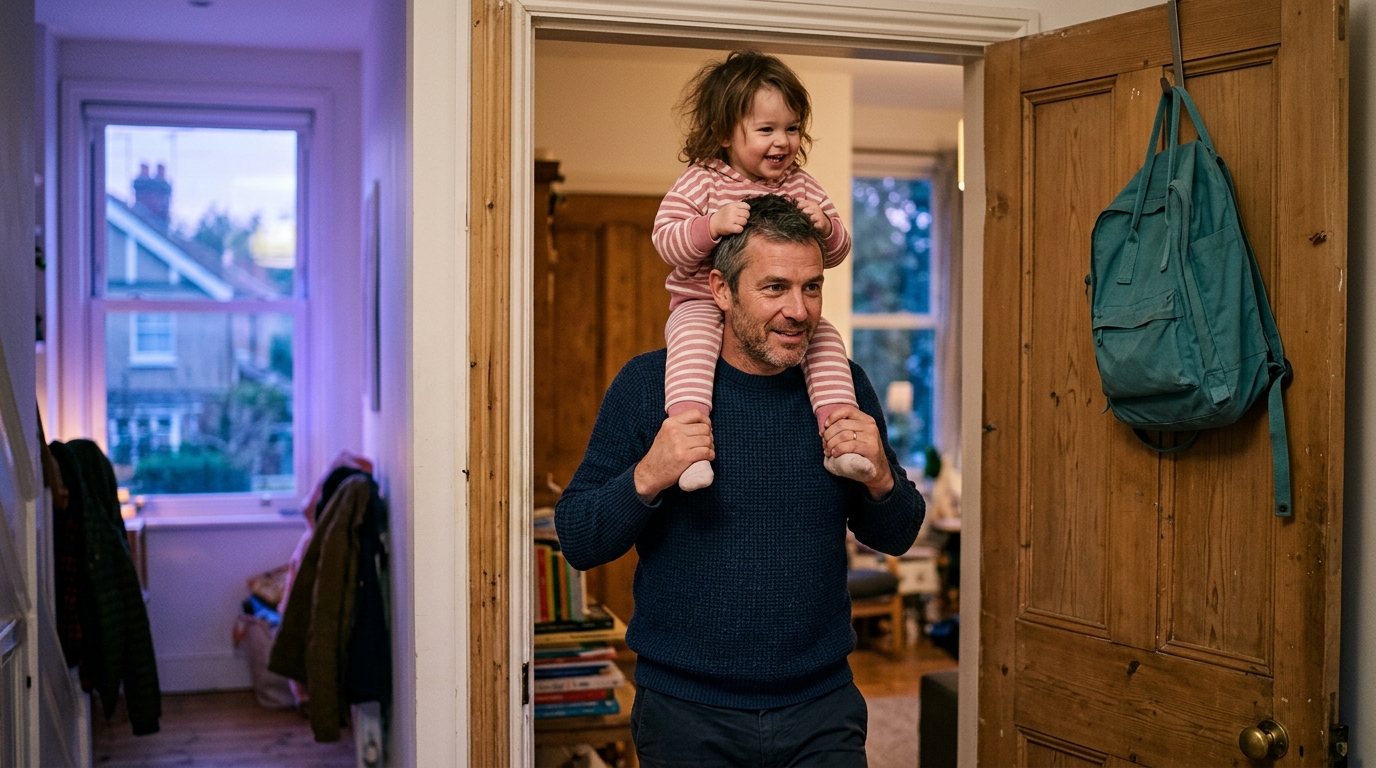
Contact across generations deserves its own mention. A social world made entirely of people your own age narrows in a particular way as the years pass, and it also removes the friction of encountering unfamiliar ideas. Grandchildren, younger colleagues, mixed age classes, and volunteering all keep that channel open.
Practically, recurring commitments outperform good intentions: a weekly class, a regular volunteering slot, a standing lunch. Our guide to making friends as an adult covers building new connections when the old channels have closed, which is a normal task at this age instead of a personal failing.
Where do you start if you are starting now?
Book a hearing test. Walk most days. Choose one thing to learn and give it twenty minutes. Put one social commitment on a recurring schedule. Four actions, all effective from a standing start in your sixties, all supported by evidence.
Notice how little that list asks of you. Nothing on it requires equipment, money, or a specialist, and the whole set fits inside an ordinary week. The reason it works is repetition across years, which is the one ingredient nobody can sell you.
If you want the fuller picture, our guides to what mental longevity means and preventing cognitive decline cover what the research supports and what it cannot promise.
Doing this alongside other people also solves two problems at once, since the practice and the company arrive together. Members inside HumanOS, our community for building a durable mind, work through these transitions with people in the same decade, which beats managing retirement, health changes, and a shifting social world alone.
Is sixty too late to make a difference?
No. Hearing treatment, exercise, blood pressure control, learning, and social engagement all show benefits when started in later decades, and training studies in older adults find durable gains. With life expectancy where it is, sixty leaves a long runway.
How do I tell normal aging from something serious?
Normal aging slows recall and leaves function intact. Warning signs include changes that disrupt daily life, confusion about time and place, difficulty finding common words, getting lost in familiar surroundings, and changes the people close to you notice. Those warrant a medical evaluation promptly.
Does retirement itself harm cognition?
Retirement removes structure, purpose, and daily social contact, and the harm comes from losing those instead of from stopping work. People who retire into engaging activity and regular company generally do well, which is why planning the non financial side matters so much.
What is the single most valuable habit now?
Regular movement, with hearing treatment close behind if you need it. Walking supports vasculature, sleep, mood, and the brain structures involved in memory, and it pairs naturally with company, which makes it two protective factors in the same hour.