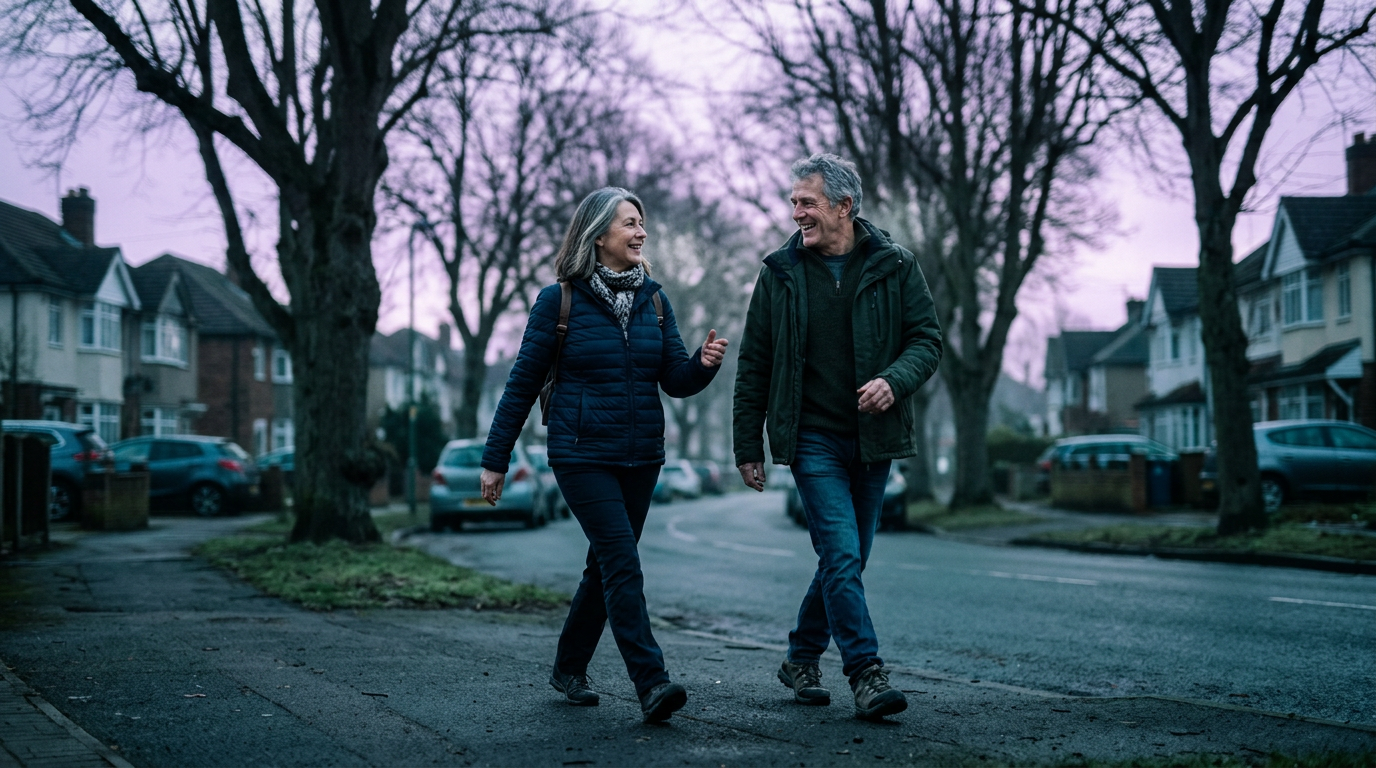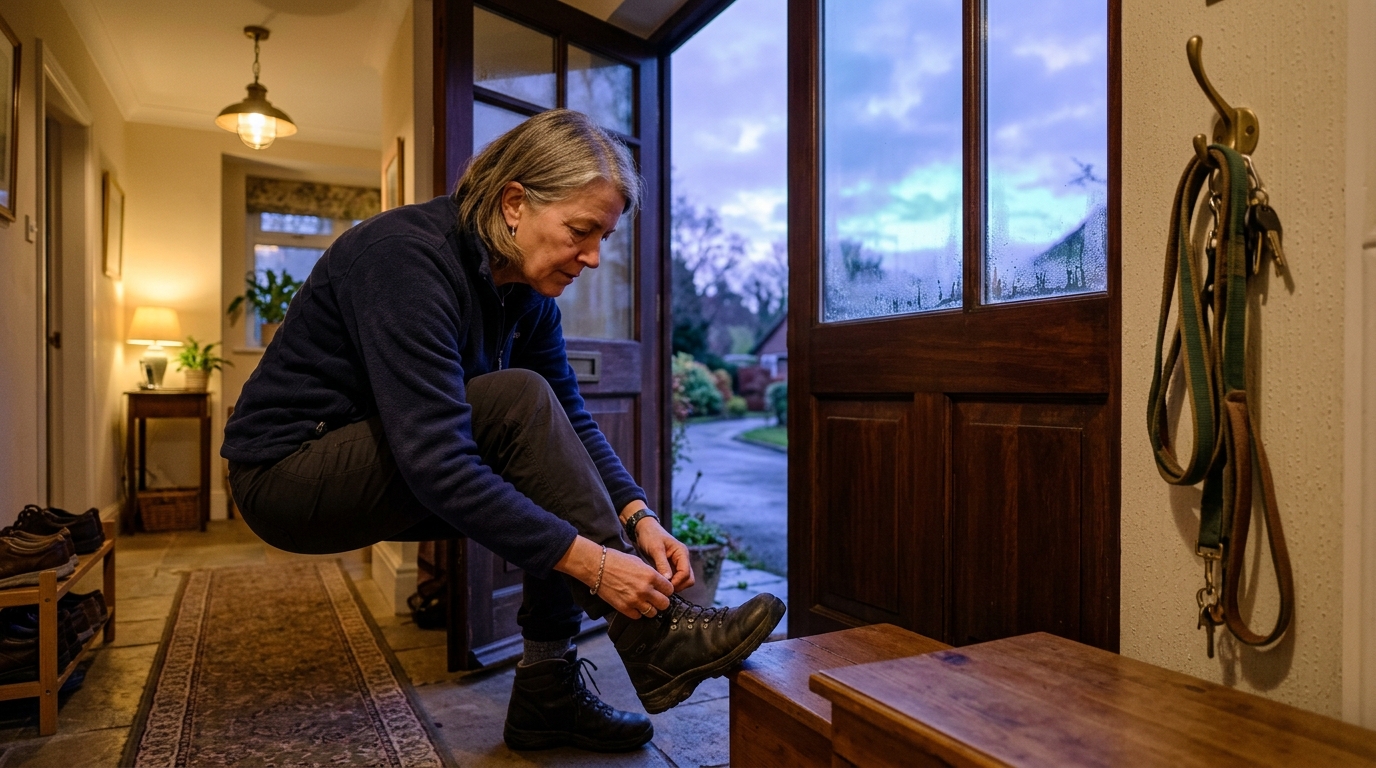
Somewhere around a milestone birthday, most of us start listening for it: the name that arrives a beat late, the reason you walked into the kitchen gone quiet. Brain aging is real, and the story your worry tells about it is mostly wrong. Some abilities do slow. Others keep climbing for decades. Serious decline is a disease with named, partly modifiable risk factors, and the everyday changes respond to how you live. This guide walks through what actually changes in an aging brain, what stays strong, where your influence genuinely lies, and what a realistic week of brain care looks like, with the evidence held honestly throughout.
What actually changes in an aging brain?
Processing speed slows gradually from early adulthood, working memory carries a little less at once, and recalling names or words can take longer. The brain also loses some volume with age. These changes are real, usually modest, and they arrive on different schedules for different people and different abilities.
The most useful picture comes from studies that test many abilities across many ages at once. In a large life span study published in Psychological Science, Hartshorne and Germine found that different cognitive abilities peak on their own timelines: processing speed in the late teens and twenties, working memory around thirty, emotion reading in the forties, and vocabulary climbing into the fifties and sixties. One mind, many curves.
That pattern matters more than any single number, because the phrase brain aging quietly implies one downhill slope, and the data shows a landscape instead. The speed you lose is measured in fractions of a second. The knowledge, judgment, and emotional steadiness you gain are measured in decades of accumulated life. Both facts are true at once, and only one of them gets airtime in the ads that want you worried.
Speed itself deserves one honest reframe before we move on. Most of the measured slowing shows up in fractions of a second on laboratory tasks, which matters in the lab and rarely decides anything in a meeting, a conversation, or a life. What decides those is whether the slower steps still arrive somewhere good, and accumulated knowledge keeps improving exactly that arrival.
What stays strong or actually improves with age?
Vocabulary, accumulated knowledge, and the pattern recognition people call judgment tend to hold or improve deep into midlife and beyond. Emotional steadiness often improves with age too. Skills built over decades, from reading a room to reading a spreadsheet, remain the aging mind's home advantage.
Psychologists distinguish fluid abilities, the raw speed and puzzle solving that favor youth, from crystallized abilities, the knowledge and skill that grow with experience. The Hartshorne and Germine data shows crystallized abilities peaking remarkably late, with vocabulary still rising when many people assume the story is already over.
Daily life keeps confirming the split. A sixty year old engineer may solve a novel brainteaser more slowly than her junior colleague and still diagnose the actual production failure first, because thirty years of patterns point her straight at the likely cause. Aging trades raw speed for a deeper index, and for most real world thinking, the index wins.
Why do two brains age so differently?
Because aging is the sum of genetics, health, environment, and decades of daily choices, the spread between people widens with every decade. Two seventy year olds can sit a full cognitive generation apart, and that spread is exactly where your influence lives.
Part of the difference is dealt: genes, early education, the neighborhood air you breathed, the head injuries you did or did not collect. A substantial remainder is built across adulthood, through the vascular health, hearing care, sleep, learning, and relationships the risk factor research keeps pointing at. This is why population statistics make poor personal prophecies. The average describes the crowd, while your trajectory is still being written by the very factors the next sections cover. Reading on is, quite literally, the influence at work.
Is serious decline inevitable?
Dementia is a disease process, and most people age without it. According to the World Health Organization, 57 million people were living with dementia worldwide in 2021, with nearly 10 million new cases each year. Those numbers are large, and they still describe a minority of older adults, never a universal fate.
The World Health Organization is direct about the distinction: dementia results from diseases and injuries that affect the brain, with Alzheimer's disease the most common contributor. Age raises risk, and frequency and inevitability are different facts. Plenty of people reach ninety with their minds intact, and the everyday slowing described above belongs to a different category than disease.
Holding that distinction changes how you read your own moments of forgetfulness. A name that arrives late is the aging of retrieval speed. Forgetting what a familiar object is for belongs to a different conversation, and the section on warning signs below draws that line plainly.
Long running cohort studies capture the spread memorably: within the same birth year, researchers routinely find older adults whose test performance overlaps the young adult range sitting beside age mates struggling with daily tasks, with lifestyle and health explaining a meaningful share of the gap. Averages hide exactly this, and your habits are voting daily on which side of the average you drift toward.
Which risk factors can you actually influence?
The 2024 Lancet Commission on dementia identified 14 modifiable risk factors across the life course and estimated that around 45% of dementia risk is potentially addressable. The list runs from education and hearing to blood pressure, exercise, alcohol, smoking, social contact, air quality, cholesterol, and vision care.
The full list, summarized by Alzheimer Europe, deserves a slow read: low education, hearing loss, high blood pressure, smoking, obesity, depression, physical inactivity, diabetes, excessive alcohol, traumatic brain injury, air pollution, social isolation, high midlife LDL cholesterol, and untreated vision loss. Notice the pattern: most are ordinary health and life factors, and many concentrate in midlife, the exact decades when brain health feels least urgent.
Two honest caveats belong next to that 45% figure, because honesty is the entire point of this blog. It is a population level estimate from modeling, so it describes what whole societies could prevent, and individual outcomes vary. And several factors intertwine, so the arithmetic is softer than it looks. The practical reading stands anyway: an unusual amount of dementia risk runs through things you can see a doctor about, schedule, or change, and the same factors shape how clearly you think this decade, whatever happens in later ones.
One more encouraging line from the aging literature: day to day emotional life tends to steady with age. Older adults consistently report calmer daily emotion and quicker recovery from upsets than their younger selves, a pattern aging researchers have documented across decades of studies. The machinery may slow while the driver improves, and lived weeks are made of both.
How does cognitive reserve buy you time?
Cognitive reserve is your brain's built up capacity to work around damage and keep functioning, accumulated through education, work, languages, music, and engagement across life. People with more reserve can carry more age related change before it shows, which converts directly into extra years of clear thinking.
The concept earned its place through a striking observation, described by Harvard Health Publishing: some people whose brains showed advanced Alzheimer's related changes at autopsy had shown few or no symptoms in life. Their reserve kept rerouting around the damage. Mental longevity is the lifelong capacity to think clearly, regulate your inner state, adapt to change, keep learning, maintain meaningful connections, and live intentionally. Reserve is one of its central mechanisms: every genuinely engaging thing you learn and do is a deposit your future self draws on.
The encouraging part is what builds it. Education helps, and it is far from the only route. Demanding work, a second language, an instrument, complex hobbies, and rich social lives all correlate with reserve. The account accepts deposits at every age, which is exactly what the training evidence below shows.
Can training actually help an aging mind?
Yes, with honest limits. In the ACTIVE trial, a large randomized study in older adults, brief cognitive training still showed measurable effects ten years later: 70.7% of the processing speed group performed at or above their baseline on that skill, against 48.8% of untrained controls. Gains stayed strongest on the trained skills.
The ACTIVE trial deserves its honest reading from both directions. Skeptics note that improvements transferred weakly to untrained everyday abilities, and that is true. It remains remarkable that adults averaging seventy four years old took a short course of training and still measurably outperformed controls a decade on. The mind stays responsive to training deep into later life; the training simply pays out closest to what you practice.
Which argues for training life itself. Learn things you actually want to use: the language before the trip, the instrument you always circled, the craft your hands are curious about. Genuine novelty and rising difficulty are what stretch the system, and meaning is what keeps you practicing long enough to matter.
What does the body have to do with the brain?
A great deal, and the plumbing explains much of it. The brain runs on a dense network of blood vessels, so blood pressure, cholesterol, diabetes, and smoking all shape its long term health. Hearing, vision, movement, and sleep each feed the brain the input and recovery it organizes itself around.
This is why so many items on the Lancet list look like ordinary medicine. Vascular health decides how well the brain is fed, decade after decade, which is how midlife blood pressure earns its outsized role. Hearing loss appears to tax the system twice: conversation becomes effortful decoding, and untreated loss quietly shrinks the social world that keeps a mind exercised, which is why correcting it matters more than vanity ever suggested. Movement improves blood flow, sleep, and mood together, making it the closest thing brain science has to a general purpose recommendation. And sleep is when the day's learning consolidates and the system resets. The upshot is almost comforting: brain care mostly rides along with body care you already know how to schedule.
What does a brain aware week actually look like?
Move most days, protect a consistent sleep window, keep blood pressure and hearing checked, drink less alcohol than feels modern, learn one genuinely new thing, and see people who matter. Every item on that list carries brain evidence, and none of it requires a supplement or a subscription.
Here is the shape, drawn from the risk factor research above. Movement several days a week, brisk enough to feel. Sleep on a schedule your weekday self can keep. One real conversation past logistics each week, because isolation sits on the Lancet list next to smoking. Hearing checked and corrected when it fades, since straining to hear taxes the thinking it interrupts. Blood pressure known and managed with your doctor. Alcohol honestly counted. And one skill in progress that makes you feel like a beginner, for the reserve it builds.
None of this is medical advice, and the basics need a clinician's partnership where health conditions are involved. The encouraging summary: the brain protective week and the good life week are nearly the same week, which means you never have to choose between them.
A realistic sample: Monday and Thursday, thirty brisk minutes and lights out by eleven. Tuesday, your instrument or language, badly and happily. Wednesday, dinner with a friend where phones stay pocketed. The weekend carries a long walk, the crossword if you love it, and the small admin of health: booking the hearing test you have postponed, refilling the prescription, checking the home blood pressure cuff. Nothing on that list is heroic, and together it covers most of the modifiable list from the research above.
Which changes deserve a clinician, and which deserve patience?
Slower name recall, needing lists, and losing the odd word are common companions of normal aging. Getting lost in familiar places, forgetting what objects are for, repeating questions within minutes, or personality changes that worry the people who love you deserve a medical conversation soon, and early conversations help most.
The gentle test many clinicians use: normal aging forgets where you parked, while concerning change forgets how you got there. Worry that visits occasionally is usually a poor witness, and the observations of people close to you are usually a good one. If something feels persistently wrong to you or to them, book the appointment. Early evaluation rules out treatable causes, from thyroid and medication effects to sleep disorders, and when something real is found, early support changes what the coming years look like.
How should you think about memory supplements and quick fixes?
With your most patient skepticism. For healthy adults, no supplement has convincing evidence of preventing cognitive decline, and careful reviews keep arriving at that same conclusion. The products are marketed hardest to the people most worried, which tells you more about the market than the science.
The pattern to recognize: a proprietary blend, a borrowed mechanism described in confident neuroscience language, and testimonials doing the work trials have declined to do. Meanwhile the interventions with actual evidence sit unpurchased: walking shoes, a hearing check, blood pressure medication taken as prescribed, an earlier bedtime, dinner with people you love, and something new worth learning. If a bottle promises to protect your brain, let the promise remind you to spend the same money on the boring things that measurably matter. Where genuine deficiencies exist, a clinician can test for and treat them, which is precisely why the honest first stop is an appointment and never an ad.
One closing habit ties the week together: a monthly line in a notebook about what you learned, who you saw, and how the sleep and movement actually went. Trends across months beat any single anxious Tuesday as evidence, and the notebook doubles as proof of a life being genuinely lived.
How should you read brain aging headlines?
Slowly, and with three questions: who was studied, how big was the change, and who paid. Mouse findings preview ideas years from human relevance, single studies get overturned, and relative risks make tiny absolute changes sound enormous. Headlines reward alarm and miracle equally, and brains deserve neither.
A practical filter for the feed. When a study is in mice, file it as interesting and unfinished. When one food or habit cuts risk by a dramatic sounding percentage, look for the absolute numbers underneath, which are usually modest. When a product announcement and a research summary arrive in the same breath, note who benefits. And when a finding matters, it will reappear: replicated results, systematic reviews, and institutional guidance are the versions worth reorganizing a life around. That patience is itself a brain skill, and practicing it on headlines about your brain has a certain justice to it.
Put the whole guide in one sentence: your brain is aging on several curves at once, the frightening ones are mostly disease processes with partly modifiable risks, and the ordinary ones respond to an ordinary well kept life. That sentence, lived weekly, is the entire strategy. The sections above simply give you its working parts: know what changes, protect the plumbing, build reserve, train what you want to keep, and let a clinician see anything that changes faster than aging should.
Frequently asked questions
Does forgetting names mean dementia is coming?
Slower name retrieval is one of the most common and most benign changes of normal aging, and it says little about your future. The distinction lives in pattern and function: occasional slow recall with a life that runs fine points to aging, while progressive changes that disrupt daily function deserve evaluation.
At what age does the brain start aging?
Some abilities, like processing speed, drift down from the twenties, while others climb for decades more. There is no cliff at forty, fifty, or sixty. The better question is which abilities are on which curve, and the research answer is that several are still rising in midlife.
Do brain training apps prevent decline?
Evidence like the ACTIVE trial shows training improves the trained skills, with weak transfer to everything else. An app can be one honest tool. A life full of movement, sleep, people, and genuinely new learning trains more of the system at once, and it is considerably more fun.
Is it too late to start at sixty or seventy?
The ACTIVE participants averaged seventy four when brief training produced effects still visible a decade later. Reserve accepts deposits at every age, risk factors respond whenever you address them, and the best documented gains often belong to people who started exactly where you are.
Can cognitive decline be reversed?
Treatable causes, like medication effects, depression, thyroid conditions, and sleep disorders, can improve substantially once addressed, which is a strong reason for early evaluation. Established dementia currently has treatments that slow its course. Honest care focuses on function, support, and the years of capability that remain.
Do crosswords and puzzles keep a brain young?
They train what they contain: vocabulary, recall, pattern spotting, plus the pleasure that keeps you doing them. Training research suggests gains stay close to the practiced skill, so treat puzzles as one enjoyable food group in a varied diet of movement, people, sleep, and genuinely new learning.
Does alcohol really matter that much for the brain?
Excessive alcohol sits plainly on the Lancet risk list, and heavy drinking harms the brain by every measure available. Evidence on light drinking keeps shifting, and the honest current summary is simple: for brain health specifically, less is safer, and the earlier the moderation begins, the more decades it protects.
Your brain is aging the way a long trusted instrument ages: some parts loosen, the tone deepens, and how it sounds in ten years depends enormously on how it gets played and kept today. People in our community are running the same experiment you are, comparing honest notes on sleep, learning, movement, and the rest of the week that keeps a mind capable. When you are ready, join us in the HumanOS Community. Bring your questions, and bring your parents' questions too.