Usually the question arrives after a scare: a parent's diagnosis, a friend's story, a name that took three seconds too long. Then you search for how to prevent cognitive decline and meet two kinds of answers, miracle headlines and clinical shrugs. The truth lives between them, and it is better than most people expect. This guide lays out what the strongest evidence actually supports: which risks are modifiable, what the major trials found, which habits carry the most weight at which age, and what an evidence based week looks like. Honesty first, always: prevention here means meaningful risk reduction, and reduction is worth a great deal.
Can cognitive decline actually be prevented?
Risk can be meaningfully reduced; guarantees remain unavailable. The 2024 Lancet Commission estimated that around 45% of dementia risk is potentially addressable through 14 modifiable factors across the life course. That figure is a population level estimate, and individual outcomes vary, which is exactly why honest language matters here.
Sit with what the estimate, summarized by Alzheimer Europe, actually claims. It says nearly half of the world's dementia burden tracks back to factors that doctors, societies, and individuals can influence: education, hearing, blood pressure, smoking, obesity, depression, inactivity, diabetes, alcohol, head injury, air pollution, isolation, cholesterol, and vision. It never promises that any individual who does everything right is safe. Population arithmetic and personal fate are different things, and the honest reading motivates action while refusing false certainty.
The same honesty applies to the everyday version of decline, the ordinary slowing described in our guide to brain aging. There the levers are the same, and the payoff arrives sooner: clearer thinking in the decade you are actually living.
What does the strongest evidence support?
Four clusters carry most of the weight: vascular health, meaning blood pressure, cholesterol, diabetes, smoking, and exercise; sensory health, meaning hearing and vision corrected when they fade; engagement, meaning education, mental challenge, and work complexity; and social connection, protected like the health behavior it turns out to be.
The vascular cluster is the least glamorous and the best documented. The brain is the body's hungriest organ, fed by a dense vascular network, so midlife blood pressure, cholesterol, diabetes control, and smoking status shape it for decades. The sensory cluster surprised many: hearing loss ranks among the largest midlife factors, plausibly because strained hearing taxes thinking and quietly shrinks social worlds, and correcting it addresses both. Engagement builds the cognitive reserve covered in Harvard Health Publishing's classic explainer, the capacity that lets a brain absorb change and keep functioning. And connection: across 148 studies in the Holt-Lunstad meta analysis, stronger relationships predicted a 50% increase in survival odds, with isolation sitting on the Lancet risk list beside smoking and inactivity.
What did the major prevention trials actually find?
The landmark FINGER trial in Finland gave older adults at elevated risk a two year combination of diet, exercise, cognitive training, and vascular monitoring, and the combined group's cognition measurably outperformed controls. Modest in size, groundbreaking in meaning: multidomain prevention works better than nothing, and the model is now being replicated worldwide.
FINGER, published in The Lancet in 2015 by Miia Kivipelto's group and since extended through a worldwide network of successor studies, matters because it moved prevention from observation to intervention: researchers assigned the healthy habits and watched the difference emerge. The honest footnotes travel with it. Effects were modest, participants were already at risk, and two years is short against a disease that builds for decades. Single domain training has its own honest anchor in the ACTIVE trial, where brief cognitive training in adults averaging seventy four still showed measurable, skill specific advantages ten years later: 70.7% of the processing speed group at or above baseline versus 48.8% of controls. Read together, the trials say the levers are real, the effects are honest sized, and combining levers beats pulling one.
As a quick reference by decade: in your twenties and thirties, education, learning habits, head protection, and the sleep and movement patterns you will keep. In your forties and fifties, blood pressure, cholesterol, hearing, alcohol, weight, and the social fabric that midlife quietly erodes. From your sixties on, movement, vision and hearing upkeep, engagement with people and challenges, and prompt attention to mood or memory changes. The list repeats on purpose: the same few levers, weighted differently, all the way through.
One more honest note about why trial numbers look modest next to the estimates. Trials run two to ten years against processes that build for thirty, in participants often already at risk, measuring averages that blend responders with everyone else. Population modeling captures decades of exposure the trials cannot wait for. Read them as complementary: the modeling shows the size of the territory, and the trials prove the road into it actually moves.
Which habits matter most at which age?
Education and learning weigh heaviest early, vascular and sensory care dominate midlife, and social engagement plus continued activity matter most in later years. The encouraging asymmetry: whichever decade you are standing in, the research identifies levers that are currently yours, and midlife holds the most of them.
The life course view, central to the Lancet Commission's framework, dissolves the fatalism that usually surrounds this topic. In the building decades, every year of education and genuinely demanding work deposits reserve. In midlife, roughly forty through sixty five, the heavy hitters are blood pressure, hearing correction, alcohol moderation, weight and diabetes management, and staying physically active, precisely the maintenance that busy decades postpone. Later, the emphasis shifts toward remaining socially woven, physically moving, and mentally engaged, with vision care joining the list. Mental longevity is the lifelong capacity to think clearly, regulate your inner state, adapt to change, keep learning, maintain meaningful connections, and live intentionally. Prevention research is that capacity's actuarial mirror: the same practices, read off a risk table.
What does prevention look like when you are helping a parent?
Mostly logistics and love: the hearing aid actually worn, blood pressure medication actually refilled, rides to the class or the choir, and a social calendar protected as fiercely as any prescription. Isolation is the risk that accelerates the others, and family is often its best treatment.
The evidence based gifts are rarely glamorous. Book and attend the hearing appointment together, because correction only works worn, and adjustment takes patient weeks. Put the blood pressure cuff by the kettle. Replace one worried phone lecture with one standing activity you share, a walk, a game, a language exchange with the grandchildren. Watch for the quiet withdrawals, from driving, from groups, from calls, and meet them with transport and invitations before they harden into isolation. And bring a clinician into any real change early: treatable causes are common, and early conversations widen every option that follows.
How much do movement and sleep actually matter?
Physical activity is the closest thing prevention science has to a general recommendation: it supports blood flow, mood, sleep, weight, and vascular health simultaneously, touching half the risk list through one habit. Sleep is when the brain consolidates learning and runs its maintenance, and chronic short sleep degrades exactly the functions you are trying to keep.
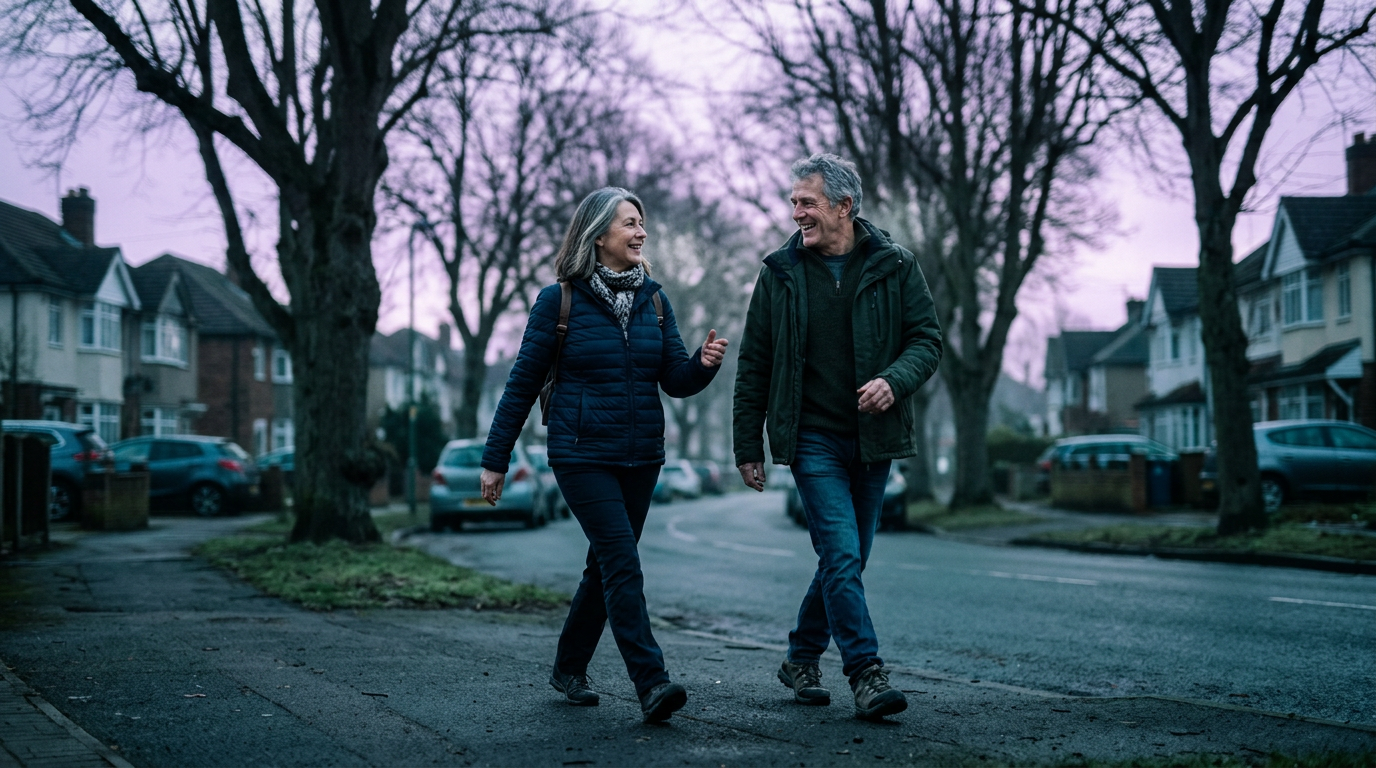
Movement needs no gym membership to count. Brisk walking most days, taken seriously and kept for years, already serves the vascular cluster, and inactivity holds its own line on the Lancet list. Strength and balance work earn bonus points for the falls and head injuries they prevent, head injury being a listed risk in its own right. Sleep's role runs through everything this blog covers under Restoration: consolidation of the day's learning, emotional recovery, and the nightly reset the World Health Organization's whole person view of brain health depends on. Persistent loud snoring, gasping, or unrefreshing sleep deserves a clinician's attention, because treatable sleep disorders masquerade as decline more often than people expect.
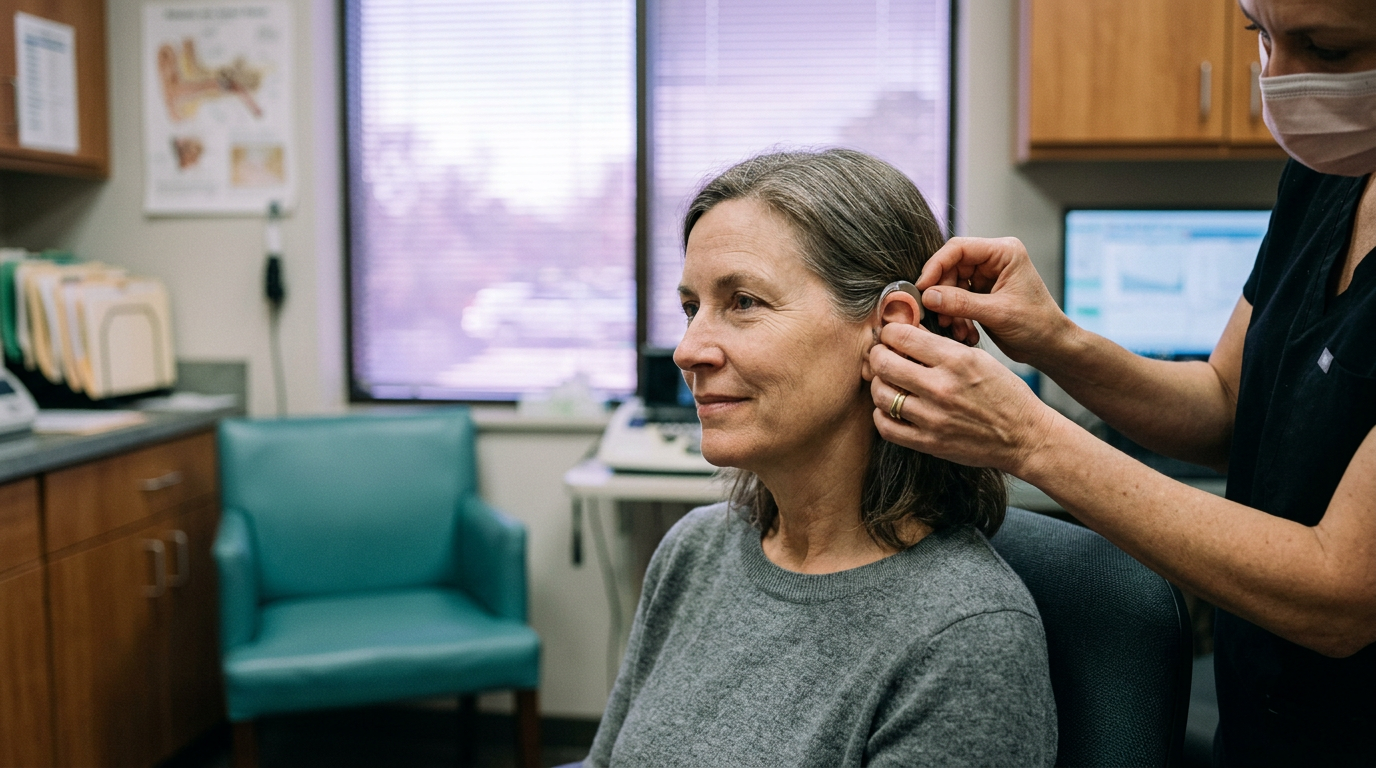
Hearing repays one specific mention inside engagement, because the two intertwine. When conversation becomes effortful, people drift from exactly the rooms where minds get exercised, and the drift reads as personality when it is often just untreated hearing. Correcting it returns both the input and the company, which is why audiologists may quietly be doing prevention work the supplement aisle only advertises.
Does mental activity help, and which kinds?
Yes, with the training caveat attached: gains concentrate near what you practice. The strongest pattern favors sustained, escalating, meaningful challenge, new skills over repeated puzzles, ideally with people attached. Variety trains more of the system, and meaning keeps you practicing long enough for it to matter.
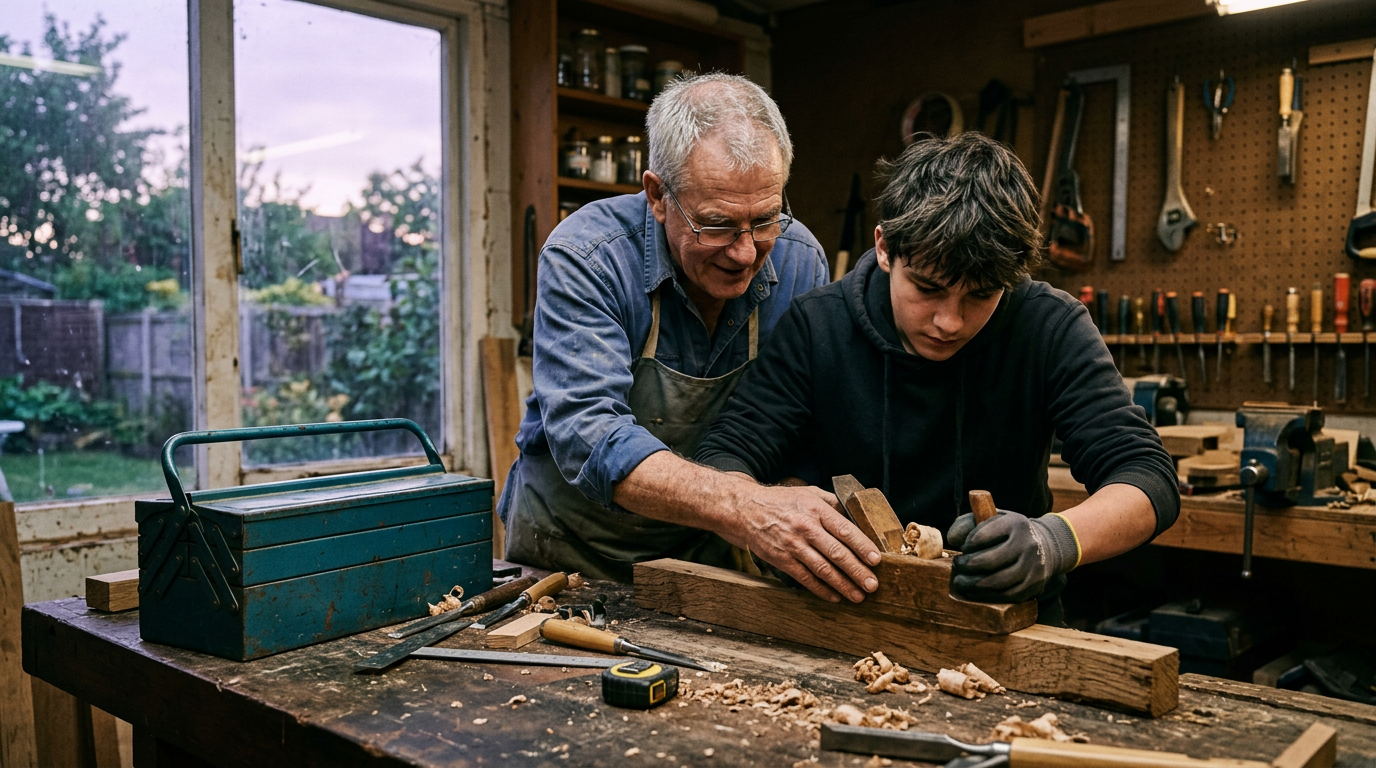
This is where prevention research and cognitive reserve research shake hands. The ACTIVE results argue that training works and stays local, which argues for training broadly: a language and its conversations, an instrument and its ensemble, a craft and its community, a course and its arguments. Each combines novelty, difficulty, and often company, covering engagement and connection in one calendar entry. The honest contrast is with passive consumption, which fills the same hours and builds little, and with app streaks maintained in isolation, which train the app. Choose challenges a future decade will thank you for knowing.
Purpose belongs in this section too, quietly. People with somewhere to be and someone counting on them keep moving, keep talking, and keep learning without labeling any of it prevention. A volunteer shift, a class taught, a grandchild's standing chess game, a garden the neighbors expect to bloom: structure that needs you is the most sustainable delivery system the risk list has ever found.
What role do other people play?
A larger one than almost anything sold as brain protection. Isolation is a listed, modifiable dementia risk factor, and relationship strength predicted survival across three hundred thousand study participants. Conversation is unscripted cognitive exercise, and being known keeps both mood and meaning maintained, which the risk list also cares about, through depression.
Treat connection as infrastructure with a schedule. One conversation each week that goes past logistics. One standing commitment that puts you in a room, physical or virtual, where people expect you. One relationship tended before it thins. Depression appears on the modifiable list too, and while connection is never a substitute for treatment, tended relationships are among the conditions mood recovers inside, with a clinician involved whenever low mood settles in for weeks.
What does an evidence based prevention week look like?
Movement most days, a defended sleep window, blood pressure known and managed, alcohol counted honestly, hearing checked when conversation starts requiring effort, one genuinely new challenge in progress, and one conversation that matters. Every line traces to the risk research, and the whole week costs less than any supplement subscription.
Run it concretely. Monday through Friday holds thirty brisk minutes on most of those days, the same sleep window each night, and a learning session twice. The week holds one real social commitment kept, screens given a curfew before bed, and alcohol logged as poured. The calendar quarter holds the health admin: blood pressure checked, the hearing test booked the first time you notice restaurants becoming work, vision corrected, and the clinician conversation where family history, cholesterol, and any medication questions belong. Nothing on the list is exotic, which is precisely the point the trials keep making: prevention looks like an ordinary life, maintained on purpose.
Depression deserves one more direct paragraph, because it sits on the modifiable list and carries double weight: it is a risk factor, and it also imitates decline convincingly enough to be called pseudodementia in older adults. Low mood that settles in for weeks deserves treatment in its own right, and treating it protects thinking twice over, now and later. If that sentence describes you or someone you love, let it be the reason this article converts into an appointment.
How do you know the plan is working?
Track adherence, since risk reduction itself is invisible: weeks where movement, sleep, learning, and people actually happened. The early returns you can feel are better sleep, steadier mood, and easier focus, which arrive within weeks and are themselves protective. The decades long payoff rides silently on top.
A monthly line in a notebook covers it: how many movement days, how the sleep window held, what got learned, who got seen, plus one sentence on how thinking felt. Trends across months are the honest signal. And when a season collapses, which real seasons do, the plan survives by shrinking to its minimums instead of vanishing: ten minute walks, the standing call, lights out on time. Prevention is a long game of returning, and returning is a skill you can practice.
None of the structure needs to arrive at once. Pick the lever your honest self audit names as weakest, give it two weeks of full attention while everything else runs at minimum, then add the next. Sequenced change survives contact with real calendars, and the risk list rewards years of adequate far more than months of perfect.
How do you bring a clinician into prevention?
Book an ordinary checkup and arrive with five things: family history, current medications, home blood pressure readings if you have them, an honest sleep and alcohol report, and any hearing or memory observations from people close to you. Ask what your numbers say and which lever matters most for you this year.
Framing helps the visit work. You are asking for a prevention partnership, and the appointment covers the levers self help cannot reach: blood pressure and cholesterol management, diabetes screening, medication reviews for anything that fogs thinking, mood evaluated as the treatable factor it is, and referrals for hearing, sleep studies, or memory evaluation when observations warrant them. Annual rhythm suits most adults in midlife and beyond, sooner when something changes. Bring the observations of people who know you; they usually outperform self report, and clinicians know it.
Air quality and head protection round out the list with two unglamorous sentences. Long term exposure to polluted air associates with higher dementia risk, which makes ventilation, filters, and route choices small brain decisions. And helmets, seatbelts, and fall proofed stairs protect against traumatic brain injury, a listed risk at every age, which turns some of the best prevention available into hardware store purchases.
What deserves your skepticism?
Anything promising prevention in a bottle, a single food, or a score. For healthy adults, no supplement has convincing evidence of preventing cognitive decline. Single study headlines and brain age gadgets sell certainty the science declines to offer, and the money they collect buys nothing the risk list respects.
The skeptical checklist stays short. Supplements marketed for memory lean on borrowed mechanisms and testimonials, and the careful reviews keep concluding the same quiet sentence, so route that budget to walking shoes, hearing care, and dinners with friends. Miracle food stories usually describe observational crumbs inflated into headlines. Brain training subscriptions train their own games first. And any product using fear of dementia as its salesperson has told you its evidence already. When something real arrives, it will come through trials, replication, and your clinician, the same unglamorous road everything in this article traveled.
Pull the threads together and the field's message is strikingly ordinary: move, sleep, manage the numbers your clinician tracks, correct your senses, keep learning, keep people close, and be patient with the compounding. Nothing on that list requires wealth, gadgets, or luck to begin, and every item pays the decade you are in as well as the ones you are protecting.
And if the whole field had to fit on an index card taped inside a kitchen cabinet, it would read: walk most days, sleep on schedule, know your blood pressure, fix your hearing, learn something real, love people on purpose, and see your clinician yearly. Everything above is the evidence behind that card.
Frequently asked questions
Can early cognitive decline be reversed?
Treatable contributors respond well: medication effects, depression, thyroid conditions, vitamin deficiencies, and sleep disorders can all masquerade as decline and improve with treatment, which makes early evaluation valuable. Established neurodegenerative disease currently slows at best, so the realistic prizes are early detection, treatable causes found, and progression bought time.
What age should prevention start?
The life course model answers: it already has, and the next best moment is now. Education deposits land early, the heaviest modifiable factors concentrate in midlife, and late life engagement still moves the needle. Every decade has its levers, and none of them requires the previous decade to have gone well.
Does family history make prevention pointless?
The opposite. For most people, genes shift risk without deciding it, and the modifiable factors remain modifiable at every level of inherited risk. A family history is a reason to be earlier and more consistent with the basics, and a conversation about it belongs in your clinician's office, where individual context lives.
Do diets like MIND actually protect the brain?
The observational evidence looks promising, and trial results so far are mixed and modest. The honest summary: eating patterns rich in vegetables, berries, fish, and olive oil support the vascular health the brain depends on, so the food is a reasonable bet even while the branded diet claims stay unproven.
Is managing blood pressure really about the brain?
Substantially, yes. High blood pressure sits among the largest midlife risk factors because the brain lives on its blood supply, and managing it with your clinician is among the best documented brain protective moves available. The heart gets the credit, and the mind collects interest.
How does preventing decline differ from building cognitive reserve?
Prevention lowers the odds that disease processes start or progress, mostly through vascular, sensory, and lifestyle care. Reserve determines how much change your mind can absorb before it shows, built through learning and engagement. The same well kept week serves both, which is the quiet elegance of this whole field.
Prevention is easier in company, which the research itself keeps insisting. People in our community are keeping the same unglamorous weeks you just read about, comparing honest notes on movement, sleep, learning, and the conversations that make it all worth protecting. When you are ready, join us in the HumanOS Community. Bring your questions, and bring your family's too.