

 Mental Longevity in Your 60s Rewards Every Habit You Kept AliveThe sixties reward continuity and still respond to change. What keeps improving, what needs guarding, and why purpose and connection carry more weight now.
Healing Waves
Loading articlesHealing Waves
Loading articlesPractical thinking on clarity, calm, sleep, habits, and the connections that carry a good mind across decades.
Healing Waves
Loading articles
Most change fails in private. Why being known makes new behavior hold, what kind of company helps, and how to find it without waiting to be invited.
Mental Longevity in Your 60s Rewards Every Habit You Kept AliveThe sixties reward continuity and still respond to change. What keeps improving, what needs guarding, and why purpose and connection carry more weight now. Mental Longevity in Your 50s Runs on Momentum You Can Still ChooseYour fifties reward what you already built and still accept new deposits. Hearing, blood pressure, learning and connection, and why none of it is too late.
 Mental Longevity in Your 40s Starts While Everything Still WorksThe forties are when the first changes show and the most leverage remains. What to notice, what to protect, and where effort pays back the longest.
 Mental Longevity and Mental Health Answer Two Different Questions About YouMental health asks how you are doing now. Mental longevity asks what your mind will be capable of in thirty years. Why the difference changes what you practice.
 Mental Clarity Is What Remains When You Stop Splitting Your AttentionMental clarity is a set of conditions, not a mood. What builds it, what quietly steals it, how to recover a foggy day, and when cloudy thinking deserves a clinician.
 How to Stop Doomscrolling Before It Decides How Your Day FeelsDoomscrolling costs attention and keeps your alarm system half on. Why the loop holds, how to break one in progress, and the environment changes that stop it starting.
 Digital Minimalism Clears the Room Your Mind Thinks InDigital minimalism keeps the tools that earn their place and clears the rest. The three questions, the thirty day declutter, and how to fill the space it returns.
 How to Focus Better When Every App Is Built to Interrupt YouFocus is a design problem before it is a willpower problem, and this guide builds the environment, the sessions, and the daily inputs that protect deep attention.
 Mental Resilience Is Trained in Small Reps Long Before Life Tests ItResilience is built in ordinary weeks, not crises. What actually trains it, what only looks like toughness, and how recovery does more work than endurance.
 Journaling for Mental Health Turns a Loud Mind Into a Readable OneJournaling helps when it has a shape. What the research supports, the formats worth trying, and how to keep it from becoming another way to ruminate.
 Vagus Nerve Exercises Are the Quiet Lever Behind a Calmer BaselineSmall daily practices, slow exhales, humming, a splash of cool water, strengthen the nerve that tells your whole system it is safe to settle.
 Grounding Techniques Bring You Back When Your Mind Runs AheadWhen your thoughts run ahead of you, grounding techniques anchor attention back in the present through your senses, your body, and a few small tasks that work anywhere.
 Brain Exercises Earn Their Name When They Stretch Something RealMost brain games train the game. What genuinely stretches thinking, why difficulty and novelty matter, and how to choose exercise that transfers to real life.
 Cognitive Flexibility Lets You Change Your Mind and Stay YourselfCognitive flexibility is the capacity to shift approach without losing who you are. What it is, why rigidity feels safer, and how to train the shift deliberately.
 Neuroplasticity Exercises Give Your Brain a Reason to Keep RewiringNeuroplasticity responds to difficulty, novelty and repetition. The exercises with real evidence behind them, and how to make the effort survive a normal week.
 How to Improve Memory Without Fighting the Way Your Brain WorksMemory runs on conditions before technique. Sleep, movement, attention, stress, and hearing, in rough order of how much each one actually moves the needle.
 Habit Stacking Lets New Choices Ride on the Ones You Already MakeHabit stacking attaches something new to a routine that already runs. Why the anchor matters more than the motivation, and how to build a stack that survives a bad week.
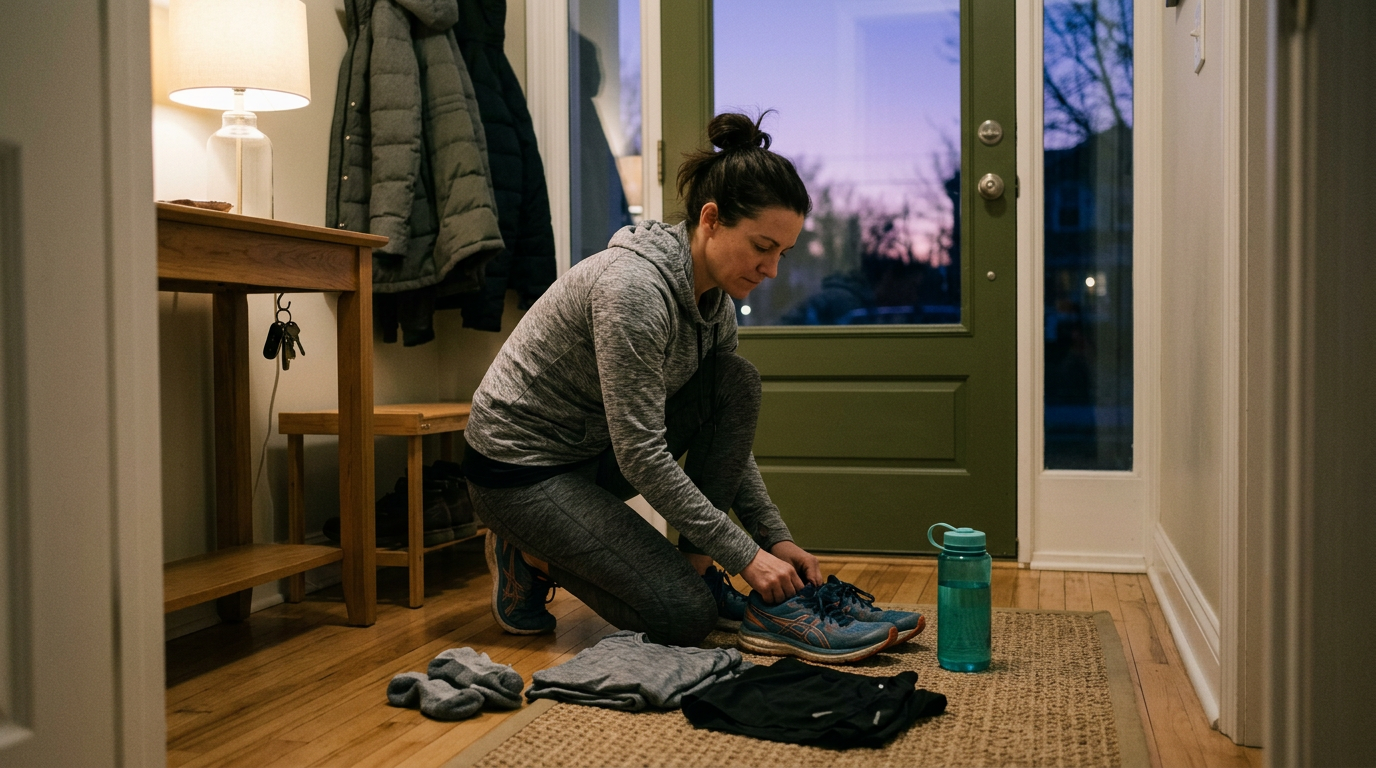 Self Discipline Is a System You Build So Willpower Can RestSelf discipline works better as environment design than as effort. Why willpower runs out, what replaces it, and how to build systems that hold on hard days.
 A Morning Routine Earns Its Keep by Protecting Your First Clear HourA morning routine is worth having when it protects your first clear hour. What the research supports, what is decoration, and how to build one you keep.
 How Long It Really Takes to Form a Habit That StaysHabits plateau around 66 days on average, with a wide honest range. What the research measured, how to design a habit that survives, and what missed days cost.
Five in-depth guides that map the whole territory.
 The Loneliness Epidemic Is a Health Story Hiding in Plain SightLoneliness carries measurable health consequences and almost no social vocabulary. What the research shows, why it spreads quietly, and what actually helps.
 How to Make Friends as an Adult When Life Stopped Making It EasyAdult friendship got structurally harder, and it rebuilds on purpose: proximity, repetition, and depth, plus the research on what connection is worth.
 A Sense of Purpose Quietly Extends How Long You Live WellA sense of purpose keeps appearing in longevity research, associated with longer, healthier, more capable lives. What counts, how to find it, held honestly.
 White Noise Can Give a Ringing Ear Somewhere Softer to RestSound masking gives tinnitus somewhere softer to sit. What the evidence supports, which sounds help, and when ringing ears need an audiologist rather than an app.
 Yoga Nidra Gives You the Deep Rest You Thought Only Sleep CouldYoga nidra, also called NSDR, is guided deep rest at the edge of sleep. What it is, what research shows, and how to practice it tonight.
 How to Get More Deep Sleep and Wake Up Feeling RepairedDeep sleep is your body's repair window. What steals it, what genuinely increases it, and how to read your tracker without losing sleep over it.
 How to Calm Racing Thoughts at Night and Let Your Mind RestRacing thoughts at night respond to technique: scheduled worry, the bedtime list, cognitive shuffling, and a 3am policy your mind can follow.
A short letter on thinking clearly, settling your nervous system, and building a life you can keep. Free, and easy to leave.