The Gut-Sleep Connection: How Your Microbiome Controls Your Rest
Your gut produces over 90% of your body's serotonin and directly signals your brain through the vagus nerve. Here is what the research says about the gut-sleep axis.
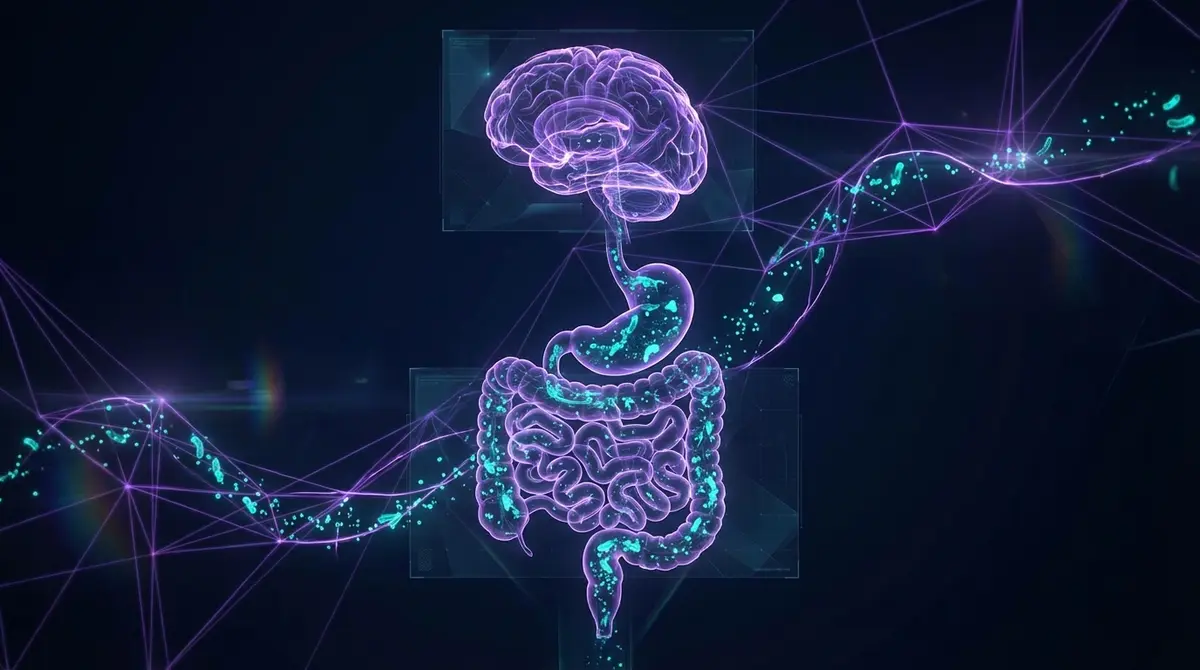
Your Second Brain Does Not Sleep When You Do
There are more neurons in your gut than in your spinal cord. Approximately 500 million of them form the enteric nervous system, a network so complex that researchers have called it your second brain. This system operates semi-independently from your central nervous system, managing digestion, immune responses, and the production of neurotransmitters that directly influence your ability to sleep.
The gut-brain axis is a bidirectional communication system linking your intestinal tract to your brain through neural, hormonal, and immune pathways. The vagus nerve serves as the primary highway, but the gut also communicates through the bloodstream via metabolites, short-chain fatty acids, and neurotransmitter precursors. When this communication system is disrupted, sleep is reliably one of the first functions affected.
This is not fringe science. A landmark 2019 study published in PLOS ONE by researchers at Nova Southeastern University found that gut microbiome diversity was positively correlated with sleep efficiency and total sleep time. Participants with more diverse microbiomes slept longer, fell asleep faster, and spent more time in restorative sleep stages. The relationship held even after controlling for age, BMI, and diet.
Your Gut Makes the Chemicals Your Brain Needs to Sleep
The most surprising aspect of gut-sleep research is how directly the gut contributes to sleep neurochemistry.
Serotonin: 95% Made in the Gut
Serotonin is the precursor to melatonin, the hormone that regulates your sleep-wake cycle. While most people associate serotonin with the brain, approximately 95% of your body's serotonin is produced by enterochromaffin cells in your gut lining. These cells are influenced by the composition and activity of your gut microbiome.
A study published in Cell by Caltech researchers demonstrated that specific gut bacteria (particularly spore-forming bacteria from the Clostridium genus) stimulate serotonin production in the gut. When these bacteria were absent in germ-free mice, serotonin levels dropped by approximately 60%. Reintroducing the bacteria restored serotonin production.
The implications for sleep are direct. Lower gut serotonin means less raw material for melatonin synthesis. If your gut microbiome is depleted or imbalanced, your body may physically struggle to produce the melatonin it needs for sleep onset and maintenance.
GABA: The Calming Neurotransmitter
Gamma-aminobutyric acid (GABA) is the primary inhibitory neurotransmitter in the brain. It reduces neuronal excitability and promotes the calm state necessary for sleep. Several gut bacteria, including Lactobacillus brevis and Bifidobacterium dentium, produce GABA directly.
Research published in the Journal of Applied Microbiology found that these bacterial strains can produce GABA at concentrations that influence neural signaling via the vagus nerve. When the vagus nerve was severed in animal models, the calming effects of these gut-produced GABA signals disappeared, confirming the neural pathway.
Short-Chain Fatty Acids
When gut bacteria ferment dietary fiber, they produce short-chain fatty acids (SCFAs) including butyrate, propionate, and acetate. These molecules do more than feed your intestinal lining. They cross the blood-brain barrier and influence sleep regulation directly.
A 2020 study in Scientific Reports found that butyrate administration improved sleep quality in animal models by increasing the expression of sleep-promoting genes in the hypothalamus. Butyrate also reduces intestinal inflammation, which has its own downstream effects on sleep quality through reduced circulating inflammatory cytokines.
How Disrupted Gut Health Destroys Sleep
Understanding the positive connections is helpful. Understanding what goes wrong is essential.
Dysbiosis and Insomnia
Gut dysbiosis, an imbalance in the composition or function of gut microbiota, is consistently associated with sleep disturbances in human studies. A 2020 study in Sleep Medicine Reviews found that patients with insomnia had significantly different microbiome compositions compared to healthy sleepers, with lower levels of beneficial bacteria and higher levels of potentially pathogenic species.
The mechanism is not just chemical. Dysbiosis increases intestinal permeability (sometimes called "leaky gut"), allowing bacterial endotoxins like lipopolysaccharide (LPS) to enter the bloodstream. LPS triggers systemic inflammation through toll-like receptor activation, and this inflammation disrupts sleep architecture by reducing slow-wave sleep and increasing nighttime cortisol.
The Inflammation Feedback Loop
Poor sleep increases intestinal permeability. A single night of sleep deprivation has been shown to increase circulating LPS levels. This creates a feedback loop: poor sleep damages the gut barrier, which increases inflammation, which further disrupts sleep.
Research from the University of Tsukuba, published in Brain, Behavior, and Immunity, demonstrated that sleep-deprived mice showed rapid changes in microbiome composition within 48 hours, with increases in pro-inflammatory bacterial species and decreases in SCFA-producing species. The gut responded to sleep deprivation as a stressor, compounding the original problem.
Circadian Disruption in the Gut
Your gut microbiome has its own circadian rhythm. Different bacterial species are more or less active at different times of day, and this rhythm is synchronized with your eating and sleeping patterns. When your circadian rhythm is disrupted, your microbiome rhythm is disrupted with it.
A study published in Cell found that jet lag altered the gut microbiome composition in both mice and humans. The disrupted microbiome favored bacterial species associated with obesity and metabolic dysfunction. Normal composition returned once regular sleep-wake and eating schedules were restored.
Rebuilding Your Gut for Better Sleep
Dietary Fiber Is Non-Negotiable
Fiber is the primary fuel for beneficial gut bacteria. The bacteria that produce sleep-supporting metabolites (SCFAs, serotonin precursors, GABA) all depend on fermentable fiber to thrive. The average American consumes about 15 grams of fiber per day. The recommended intake is 25 to 38 grams. Most sleep-beneficial microbiome studies involve fiber intakes at or above the recommended level.
Focus on prebiotic-rich foods: garlic, onions, leeks, asparagus, bananas, oats, and Jerusalem artichokes. These contain specific fiber types (inulin, fructooligosaccharides) that preferentially feed beneficial bacteria. A 2020 study in Gut Microbes found that increasing prebiotic fiber intake improved subjective sleep quality within 4 weeks.
Fermented Foods Build Diversity
Microbial diversity is the single strongest predictor of gut-related sleep quality in the research. Fermented foods introduce live bacteria and increase diversity more reliably than probiotic supplements.
Stanford researchers published a 2021 study in Cell comparing a high-fiber diet to a high-fermented-food diet. The fermented food group showed significantly greater increases in microbiome diversity and significant decreases in inflammatory markers. Six servings of fermented foods per day was the threshold associated with the strongest effects. Practical sources: yogurt, kefir, sauerkraut, kimchi, kombucha, miso.
Avoid What Damages the Microbiome
Certain substances rapidly reduce microbiome diversity and function:
- Alcohol: Even moderate consumption disrupts gut barrier integrity and microbiome composition. A 2019 study in Alcohol Research showed that alcohol increases intestinal permeability within hours and selectively suppresses beneficial bacterial species.
- Artificial sweeteners: Research in Nature demonstrated that saccharin, sucralose, and aspartame alter gut microbiome composition in ways that worsen glucose tolerance.
- Processed foods: High in emulsifiers and additives that directly damage the mucosal lining and reduce microbial diversity.
- Unnecessary antibiotics: A single course of broad-spectrum antibiotics can reduce microbiome diversity for 6 to 12 months. If antibiotics are medically necessary, following up with probiotic and prebiotic support is essential.
Time Your Eating for Gut Circadian Alignment
Your gut microbiome functions best when eating patterns align with your circadian rhythm. This means eating during daylight hours and fasting during the night. Time-restricted eating within a 10 to 12 hour window supports both circadian and microbiome health simultaneously.
Late-night eating is particularly damaging to the gut-sleep axis. It forces digestive activity during a period when your gut microbiome is in a resting phase, disrupts microbiome circadian rhythms, and can increase intestinal permeability during the sleep period when repair processes should be dominant.
The Emerging Picture
Five years ago, the idea that gut bacteria could influence sleep quality would have been dismissed by most clinicians. Today, the evidence is robust enough that researchers at major institutions are developing microbiome-targeted interventions specifically for insomnia. Clinical trials are underway testing targeted probiotic formulations as sleep aids.
The picture that emerges from the research is clear: sleep is not just a brain phenomenon. It is a whole-body phenomenon, and the gut plays a central role through neurotransmitter production, vagal signaling, inflammatory regulation, and circadian coordination.
Improving your gut health will not fix every sleep problem. But if you have been doing everything right on the behavioral side (consistent schedule, dark room, no screens) and still struggling, the answer may be further south than you expected.
For a broader look at how your nervous system as a whole influences your ability to rest, our Nervous System Repair Manual covers the full picture, from vagal tone to stress response patterns to the frequencies that support deep recovery.
Start Sleeping Better Tonight
Join 14,500+ people who've transformed their sleep with healing frequencies, delta wave entrainment, and our progressive 21-night program.