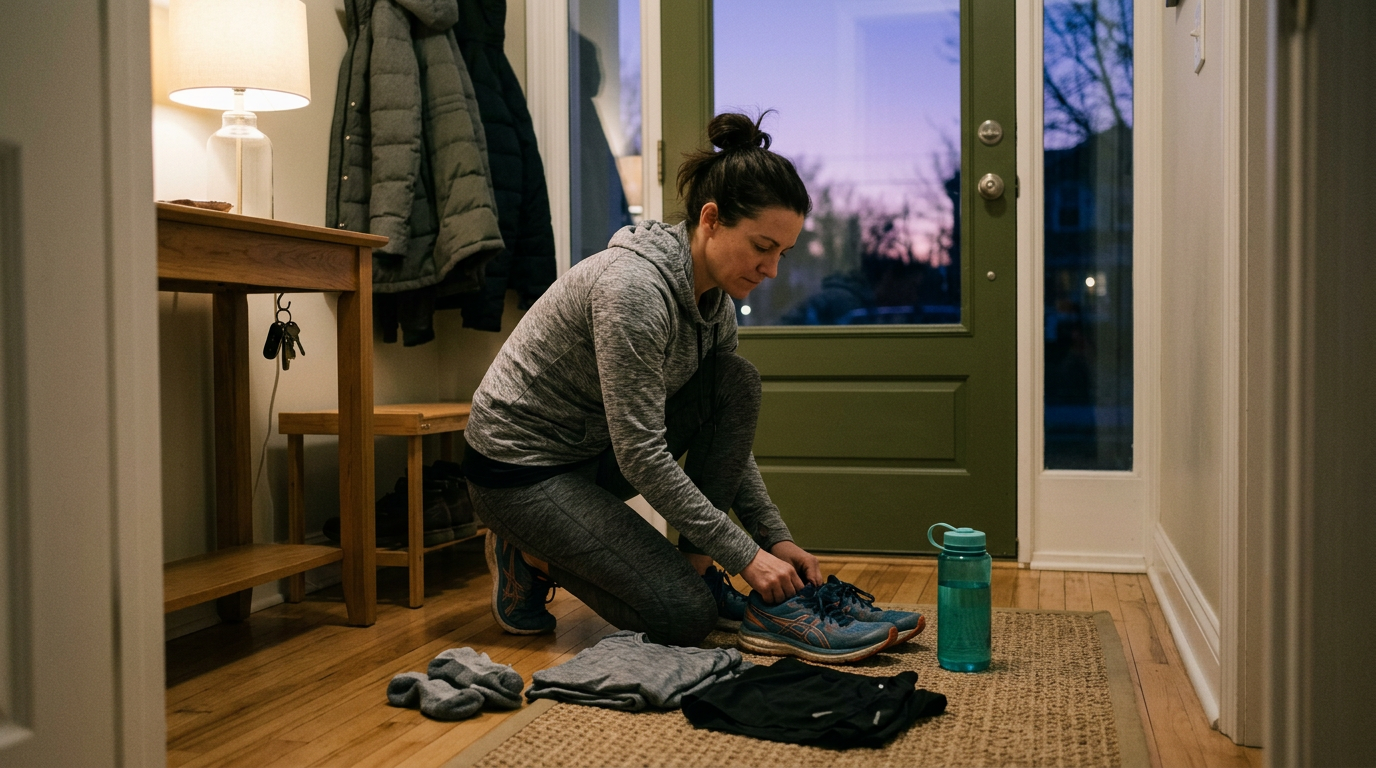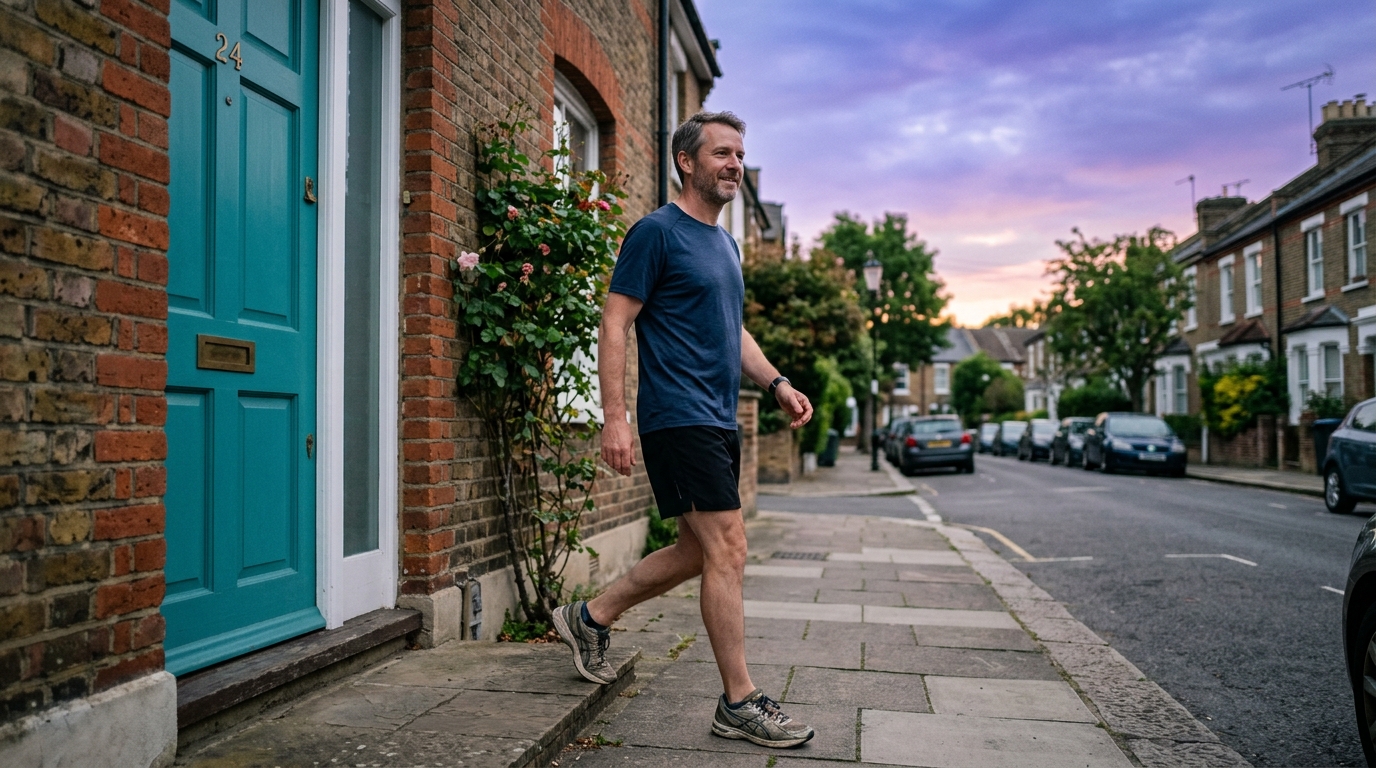
Every January proves the same quiet law: behavior bolted onto an unchanged self-image falls off by March. The runs stop because somewhere underneath, you still believe you are someone who does not run. Identity-based change works the other way around: instead of chasing outcomes, you practice being the kind of person who produces them, one small vote at a time. The approach sounds philosophical and operates mechanically. This guide covers why identity beats willpower for lasting change, how self-image actually updates, the vote-casting method that makes it practical, and the honest cautions that keep it healthy.
Why does identity decide which changes last?
Because behavior that contradicts self-image creates constant friction, and behavior that expresses self-image runs on rails. A person who sees themselves as a writer writes on bad days too, since skipping would contradict who they are. Outcomes motivate for weeks; identity organizes behavior for decades.
The mechanics are unglamorous: self-image acts like a thermostat, quietly correcting behavior back toward whatever setting it holds. Diet against an I-am-not-athletic setting and the system fights you the entire way, with every skipped session feeling like a return to normal. Shift the setting, I am someone who trains, and the same skipped session feels like a deviation, which the system also corrects, now in your favor. This is why the deepest change conversations keep circling the same question: never only what do you want to do, and always who are you practicing being.
How does self-image actually update?
Through evidence, mostly your own witnessed behavior. Each action is a vote for a kind of person, and the self-image shifts when the votes pile up: run four times and you are someone trying running; run most weeks for a season and the identity quietly flips. Words help; receipts decide.
The vote metaphor, popularized by writer James Clear and grounded in the same evidence loop self-efficacy research describes, earns its keep through two properties. Votes count small, which means two minutes of the behavior is a real ballot, and the election never ends, which means no single missed day loses it. Underneath sits the habit machinery: repeated context-anchored behavior becomes automatic on the timeline the habit research maps, around ten weeks for daily practices, and automaticity is identity's favorite evidence. What you do without deciding is, in the most literal behavioral sense, who you are.
How do you run identity-based change in practice?
Three steps: name the identity in ordinary words, someone who moves daily, a person who finishes things, a calm presence in conflict; choose the smallest daily behavior that casts the vote; and anchor it to an existing cue. Then protect the streak gently and let the self-image catch up to the record.
The naming step rewards care: choose an identity about process, someone who trains, over outcomes, someone with abs, because process stays votable on every kind of day. Present tense, ordinary vocabulary, zero grandeur; practicing beats aspiring. The behavior step borrows every rule from habit design, worst-day sizing above all, because the vote that gets cast beats the vote that gets planned. Mental longevity is the lifelong capacity to think clearly, regulate your inner state, adapt to change, keep learning, maintain meaningful connections, and live intentionally. In the Human OS framing, identity is part of the software your attention, interpretation, and habits run on, and this practice is how you patch it deliberately: one small witnessed act, repeated until the system treats it as native.
What does a season of votes look like?
Month one feels like pretending: the behavior happens while the old self-image files objections. Month two feels like negotiating, with the new pattern normal on good days and contested on hard ones. Month three feels like description: the sentence I am someone who does this stops sounding like a claim and starts sounding like a fact.
Knowing the arc defuses its hardest moment, the impostor phase at the start, where acting like the new person feels fake. The reframe that helps: you are never pretending to be someone who ran today if you ran today; the vote is real regardless of how it felt. Keep a visible record, the calendar of crosses again, because self-image updates on witnessed evidence and memory is a terrible witness. Expect the old identity to make its loudest case during stress, when systems revert to defaults, and treat those weeks as maintenance seasons: shrink the behavior, protect the streak, and let the smallest vote hold the office until capacity returns.
How do you change an identity you dislike?
Gently, and by addition before subtraction. Direct war on an old identity, I am done being lazy, keeps attention on the thing you are leaving and usually loses. Building the adjacent positive identity, I am someone who starts small and follows through, crowds the old one out with evidence.
Two supporting moves matter. First, separate identity from history: I have avoided exercise for years is a record, while I am not an exercise person is a verdict, and only the verdict blocks the future; carry the record honestly and leave the verdict at the door. Second, curate the reference group, because identity calibrates against the people around you: one running friend, one finishing-things colleague, one room where your practiced identity is ordinary, and the votes start counting double. This is also where communities quietly earn their research reputation for supporting change, by making the new identity the local normal.
Why does identity work matter for a long mental life?
Because decades run on defaults, and identity writes the defaults. A self-image that includes learner, mover, and friend keeps casting those votes through every busy season, quietly accumulating the reserve, fitness, and connection the longevity research keeps crediting. Who you practice being is the longest lever you hold.
The aging literature adds a specific warning and a specific gift here. The warning: the culture hands people an identity script for later life, slower, set in their ways, past learning, and scripts get obeyed, with expectation discouraging exactly the practices that keep minds capable; the training evidence, like the ACTIVE trial's results in adults averaging seventy four, says the script is simply wrong. The gift: identities compound like their behaviors do, and someone who has practiced being a learner for twenty years meets retirement, relocation, and loss with a self-image that already knows how to begin again. That flexibility, identity revised on purpose across chapters, may be Adaptability's deepest form.
Where does identity work need honest limits?
Identity language can turn rigid, moralizing, or grandiose: streak worship that cannot absorb a sick day, worth measured by productivity, or a self-concept so tied to one role that setbacks become existential. Healthy identity practice stays plural, kind, and revisable, with the person always larger than any single identity.
The plural part is protective: someone who trains, learns, and shows up for people has three legs to stand on when one gives way, which is precisely the resilience the connection and adaptability research keeps documenting. The kindness part decides sustainability, since an identity enforced by shame gets abandoned with relief at the first stumble, while one maintained with the tone of a good coach survives its bad weeks. And the revisable part is the adult clause: seasons change what deserve votes, and updating an identity on purpose, I was a builder of that chapter, I am becoming a mentor in this one, is mastery of the method. When identity questions tangle with persistent low mood or a sense of worthlessness, that conversation belongs with a therapist, and having it is a strong vote for every identity worth keeping.
Frequently asked questions
Is identity-based change just fake it till you make it?
The votes are real behavior, which is the difference: you are enacting the identity at small scale, and the record accumulates. Faking implies pretense without practice. Acting like someone who writes by writing two sentences is practice, and practice is how every identity anyone respects was built.
How is this different from affirmations?
Affirmations assert the sentence; identity practice earns it. Saying I am a runner changes little on its own, and running two minutes daily for ten weeks changes the sentence into a description. Use words to aim the practice, and let behavior supply the belief.
Can I work on several identities at once?
Cast votes for one at a time. Each new identity spends the same design attention and willpower budget during its first weeks, and split ballots slow every count. Stabilize the first behavior until it runs on automatic, then start the next; the second election always runs faster.
What identity should I pick first?
The one whose absence costs you most weekly, phrased as process: someone who sleeps on schedule, someone who moves daily, someone who keeps small promises. Foundational identities compound because they fund every other change, which is why this blog keeps arriving at the same starting lines.
Identity grows fastest where the practiced version of you is already normal. Our community is a room full of people mid-vote, trading small ballots, honest impostor phases, and third-month victories that sound ordinary and feel enormous. When you are ready, join us in the HumanOS Community. Come as the person you are practicing becoming; that version is welcome here today.